The PHP Vulnerability That Took Websites Offline: Some Teams Were Ready. Most Were Not.
PHP2Shell prompted organizations worldwide to take their websites offline. For teams ready to apply the fix, the preparation had started long before the news broke.
 11 Min Read
The national cybersecurity agencies of Australia and the Netherlands took their own websites offline. So did 4chan and the Port of Rotterdam.
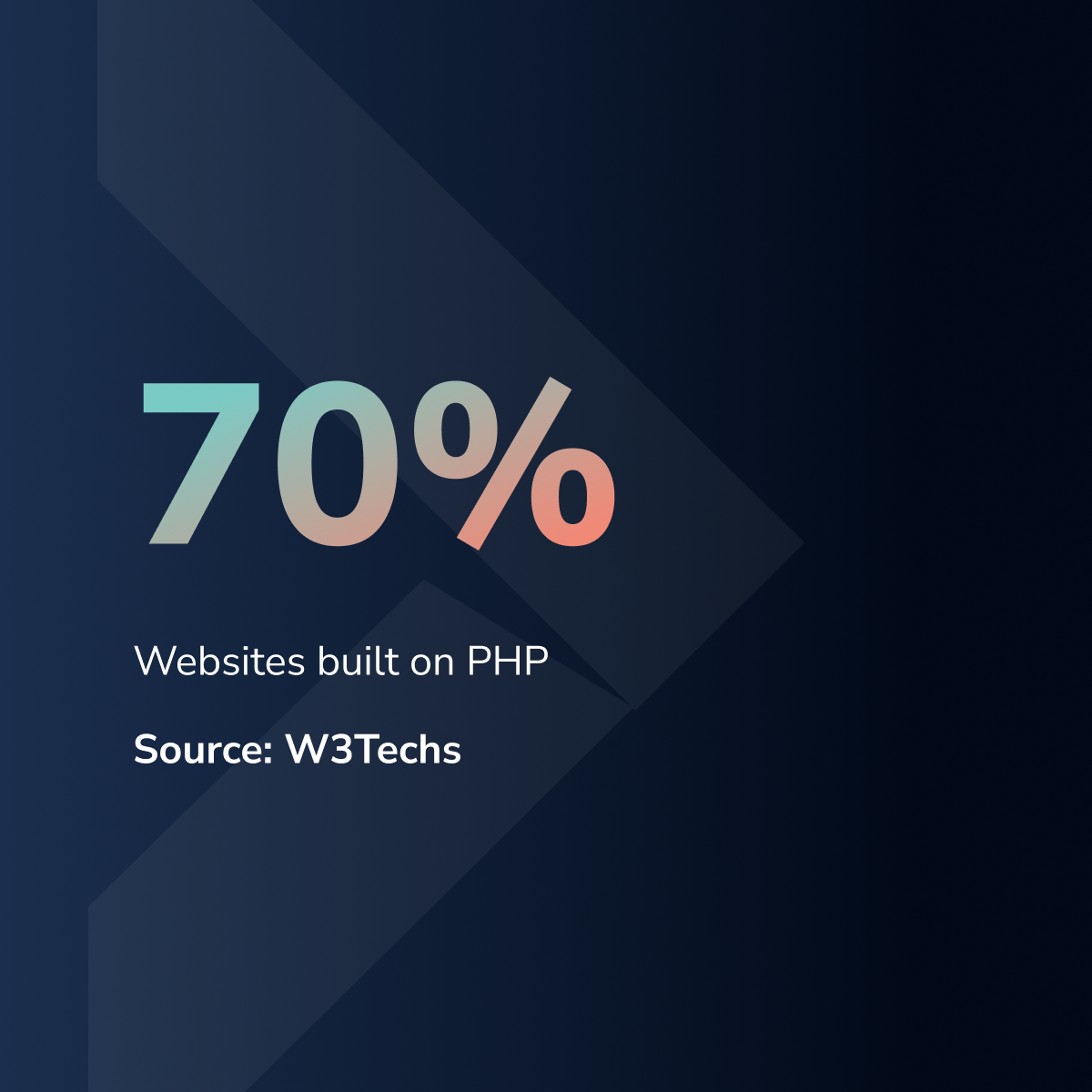
They went dark as a precaution. The reason was PHP2Shell, a pair of critical flaws in PHP, the programming language used by about seven in 10 websites whose server-side language W3Techs can identify.
For organizations unable to patch immediately, taking vulnerable sites offline reduced exposure. Once PHP released the fix, the speed of the response depended partly on decisions made months, sometimes years, earlier.
Three things made a prompt response easier: a supported version of PHP, a team monitoring critical advisories, and a defined window to apply the fix. All three come from website maintenance and security work that pairs steady upkeep with a team ready to act when a fix becomes available.
What a Flaw in PHP Means for a Company Website
A company website runs in layers, and PHP2Shell struck one that most marketing teams never see. The PHP engine executes the code behind content management systems (CMSs) like WordPress, Drupal, Joomla, and Craft CMS.
A marketing team can log in to its CMS, apply all available updates, and still leave the site exposed. The CMS runs on PHP, which runs on the server.
PHP2Shell could be exploited without a login or password. Strong passwords and two-factor authentication (2FA) therefore could not prevent this type of attack.
The fix belongs on the server. Whoever manages PHP must install the update, whether that is the hosting provider, an agency, or an internal IT team.
The PHP version on the server affected how straightforward the fix would be.
Supported PHP versions received new security releases. Older versions did not receive regular releases, although the PHP team provided limited source-code patches for PHP 7.4, 8.0, and 8.1, and some vendors supplied adapted fixes, called backports. Those options depend on the hosting setup and require technical support.
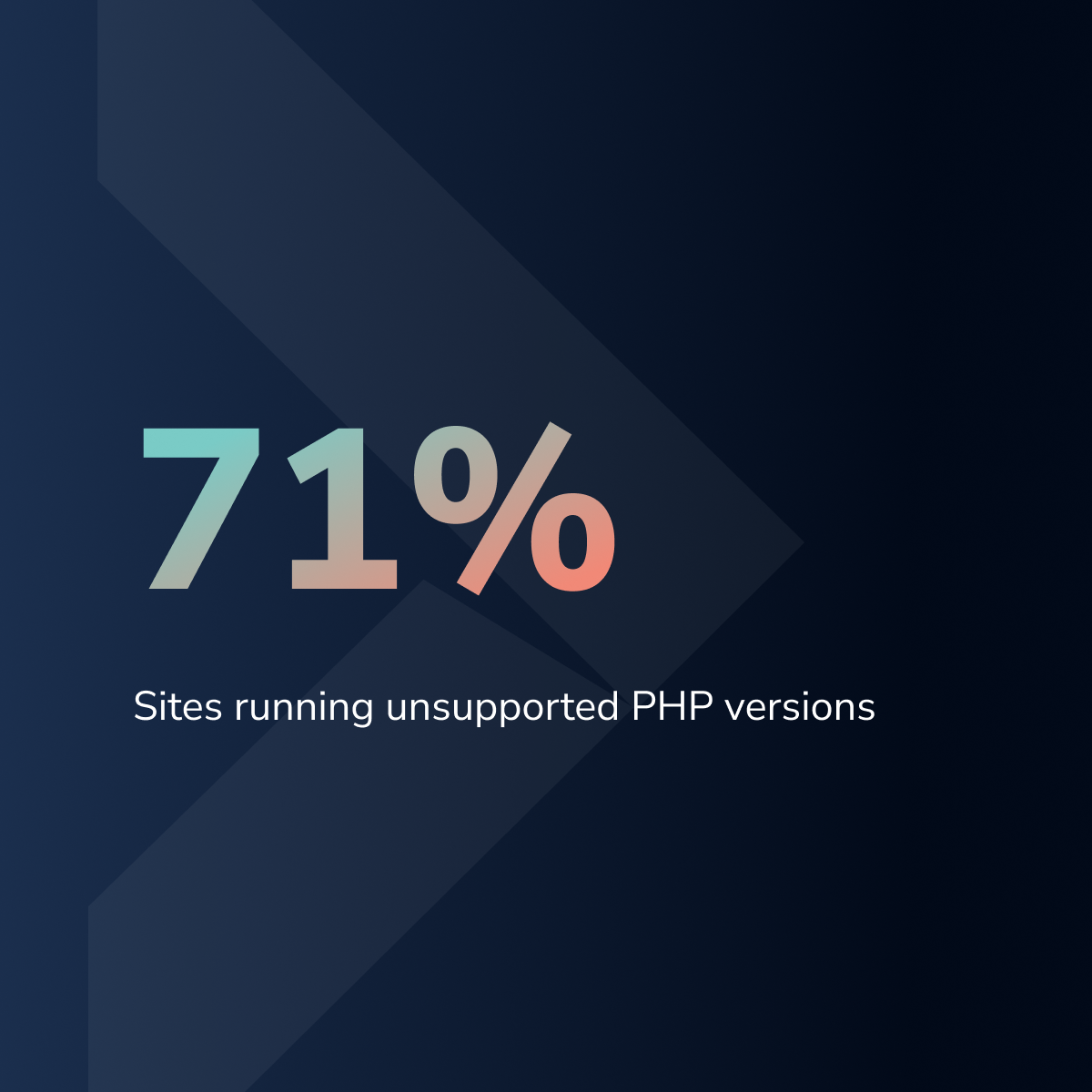
For older sites without a patch available, the immediate choices were to upgrade or take the vulnerable system offline. Qualys found that 71% of the PHP package installations with an identifiable version in its customer data were running versions past their support dates.
What IT Teams and Hosting Providers Can Check
Share these details with IT or the hosting provider to confirm if the site was affected and which update it received.
- The flaws. CVE-2026-109618 involves memory corruption during out-of-memory handling. CVE-2026-109619 is a use-after-free flaw involving state retained between requests. Each scores 9.2 on the Common Vulnerability Scoring System (CVSS) v4.0 and can allow an attacker to run code remotely without logging in.
- Affected setups. PHP-FPM, Apache with mod_php, php-cgi, FrankenPHP, and LiteSpeed. PHP identifies mod_php as the highest-risk setup because exploitation can occur before application code runs.
- Fixed versions. PHP 8.2.35, 8.3.36, 8.4.27, and 8.5.12 were released on October 21, 2026. Install the latest applicable security release or vendor package. For older branches, confirm whether the provider has supplied a backported fix and arrange a move to a supported version.
Why Teams Had Little Time to Respond
Attack attempts began before the fix was publicly available, leaving website teams with no reliable buffer between the release and attempts to exploit the flaws.
Amazon Threat Intelligence logged a PHP2Shell exploit attempt on its MadPot decoy network on Saturday, October 17, four days before PHP released the fix.
PHP had planned a coordinated release for October 22. After information about the vulnerabilities circulated early, the project moved the release forward by 24 hours.
AI-assisted research contributed to the investigation of the flaws and possible attack paths. The PHP Foundation traces part of the problem to findings from 2024 and credits subsequent work by researchers at Calif, OpenAI, and Wiz. The history is more complicated than a claim that AI discovered the flaws on its own.
For website owners, the practical issue is response time. Amazon warns that AI-assisted analysis can shorten the time needed to turn a published advisory or patch into a working exploit.
When the response window is measured in hours, there is little time to figure out who handles the fix. That plan has to exist before the news breaks.
How Development and Maintenance Affect Patch Speed
A website running a supported version of PHP with maintainable code is better positioned to receive a critical patch quickly. A site running older software may need a broader upgrade before it can use a supported release.
Consider a manufacturer’s website that launched on PHP 8.0 and never moved to a newer version. That branch is no longer supported through regular PHP releases. A background fix may tackle PHP2Shell, but it does not restore ongoing support from the PHP project.
An upgrade requires compatibility checks throughout the site’s templates, plugins, and custom features. If those components are outdated, the work can take days or weeks. Without a patch or suitable interim protection, the vulnerable site may need to remain offline during that work.
“When the emergency hit in October, the fix took only a couple hours because we’d already done the routine work.” ~ John Golden
Every PHP release branch has a support deadline. Each receives two years of full support and two years of security-only fixes. PHP 8.1 lost security support on December 31, 2025. An unsupported version can keep running without an obvious warning, leaving the risk out of view until an advisory draws attention to it.
Deferred Upgrades Compound
Content management systems and plugins gradually drop support for older PHP versions. Skipped upgrades can leave a company with several compatibility issues to resolve at once, just when a critical advisory makes the work urgent.
Choices made at launch and throughout the site’s life affect how readily it can be patched.
- Start on a current PHP version. Choose a supported release with enough time remaining before its support deadline.
- Keep plugins and code libraries current. Regular updates can reduce compatibility problems when it is time to move to a newer PHP version.
- Maintain a test copy of the site. A working test environment lets the team check updates before deploying them to the live site.
- Schedule PHP upgrades ahead of each support deadline. Allow time for compatibility testing and any changes the upgrade requires.
These decisions belong in the planning stage of web development and in the maintenance plan that follows launch.
“A clean record comes from showing up for every update, the routine ones and the urgent ones,” said John Golden, lead developer at DBS Interactive. “When the emergency hit in October, the fix took only a couple hours because we’d already done the routine work.”
Who Owns the Fix and How Quickly They Act
A maintenance agreement should name who updates PHP on the server and how quickly that party must act on a critical fix.
Consider a familiar scenario at a midmarket manufacturer. The owner forwards a headline with one question: Are we affected? The marketing leader who manages the website starts making calls. By midday, nobody has a clear answer.
Marketing, IT, the agency, and the hosting provider can each assume that another party keeps PHP current. Some hosting plans include PHP updates, while others assign that responsibility to the customer or agency. The hosting and maintenance contracts should make ownership obvious.
“We patch regularly” leaves the question open. A useful answer names the responsible party, the response deadline, and the date the fix was installed.
Client sites maintained by DBS Interactive received the PHP2Shell fix on October 21, the day PHP released it, and five days before the Cybersecurity and Infrastructure Security Agency (CISA) added the flaws to its Known Exploited Vulnerabilities catalog.
“An alert from a security firm we follow tipped me off on Wednesday, and one of our account managers flagged the same news around midday,” Golden said. “Two sources pointing at one problem meant we moved. We knew where every client site stood on PHP, so the update went in that day.”
Inside a Same-Day Patch
A prompt response depends on a process already in place when the advisory arrives.
- Watch the sources. Assign someone to monitor security advisories and vendor alerts and coordinate the response.
- Know every site’s version. Keep an inventory of PHP versions so the team can discern affected sites quickly.
- Test on a copy. Check the update and essential site functions in a test environment before deploying it to the live site.
- Verify and record. Confirm the live site is running the patched PHP version or vendor package, and log the installation date.
Formal deadlines can allow more time. PCI DSS, the security standard for card payments, requires critical patches within one month of release for systems in scope.
The deadline does not mean a vulnerable site can safely wait. During PHP2Shell, attack attempts were already underway before the public release.
Why a Patched Site Still Needs a Second Look
A patch handles the PHP2Shell vulnerabilities. It does not remove an attacker who gained access before the update or reverse the changes they made. An attacker may be able to access files, databases, and credentials available to the affected PHP process.
For a marketing leader, that can mean lead form submissions, customer records stored by the site, and the pages buyers see. Installing the patch and checking for a prior compromise are separate tasks.
The timing makes that review necessary. Attack attempts began before PHP released the fix, and CISA added the vulnerabilities to its Known Exploited Vulnerabilities catalog on October 26.
Prompt patching limits further exposure to these flaws, but installation data alone cannot determine how far back an investigation should go. IT should use the earliest known attack activity and the site’s own records to set the review period.
What to Ask IT After the Patch
Start by asking if someone checked the server for signs of compromise after the fix was installed. Get the findings and installation date in writing. The four checks below give IT or the hosting provider a list to work through.
- Review logs and server activity. Look back to at least October 17, 2026, when Amazon first observed an attack attempt, and evaluate if earlier records are needed. Check for unusual requests and unexpected file or process changes. If compromise is suspected, have the security team preserve evidence and direct the response.
- Review potentially exposed credentials. Ask IT which passwords, keys, tokens, or certificates need to be replaced based on what the affected server could reach.
- Check PHP’s follow-up guidance. October 23 advisory recommends disabling session upload progress for a separate, configuration-dependent issue tracked as CVE-2026-115560 until the next bugfix release. IT should confirm whether that guidance applies to the site
- Confirm the fix is live. Restart the relevant PHP services after updating, and verify the version or patched vendor package serving the live website. Checking the installed package alone is not enough.
The Next Deadline Is on the Calendar
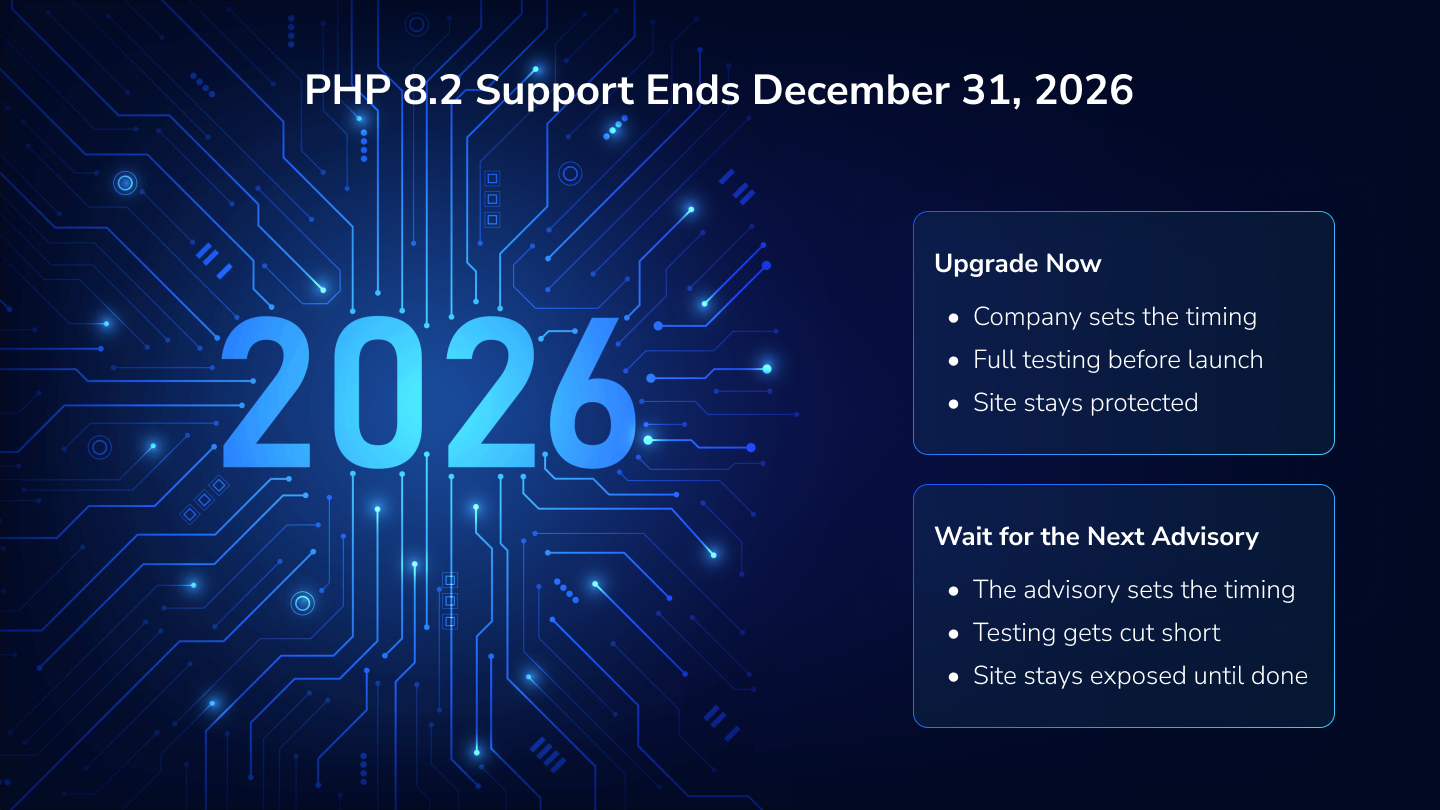
The oldest supported PHP branch, 8.2, stops receiving security fixes on December 31, 2026, about two months after PHP2Shell.
Sites still running it should plan an upgrade before the year’s end. Scheduling the work now leaves time to test the site and resolve compatibility problems. Waiting until a critical advisory arrives can turn that planned work into an urgent upgrade.
PHP2Shell exposed a problem that will outlast this incident. A site can appear to work normally while the software underneath it is no longer supported.
That makes website maintenance both a risk-management expense and an operating cost. Planned updates are easier to budget for than an emergency upgrade or unplanned downtime.
The next critical flaw may arrive without warning. Keeping software supported and responsibility evident gives the company a better chance of responding promptly.
Have the Answer Before the Next Advisory
- Which PHP version does the site run? The version decides whether an official fix exists.
- When does that version’s support end? An unsupported version stops receiving regular security releases.
- Who applies PHP updates? The hosting provider, an agency, or internal IT, named in writing.
- How fast do critical fixes go in? A defined deadline, measured in hours or business days.
DBS Interactive’s website maintenance and security program addresses all four in writing, with critical updates installed within one business day and a monthly site health report that records the work.
For sites without a maintenance agreement, request a PHP version and update-response review from DBS Interactive. The review shows where the site stands today and what needs attention before the next advisory.
PHP Security Questions Website Owners Are Asking
The hosting provider, agency, or internal IT team assigned to manage PHP on the server. Responsibility depends on the hosting plan and maintenance contract. Updating content or the CMS does not necessarily update PHP. Name the responsible party in writing, along with the deadline for critical fixes.
Ask when the fix was installed, what the review for signs of compromise found, and how quickly the current agreement requires updates to be installed. Request written confirmation of the patch version, installation date, and review findings.
A prepared website runs a supported PHP version, has a designated party monitoring security advisories, and has a written deadline for installing critical fixes. The team should also have a working test environment and dated records of previous updates.
Apply critical updates as soon as possible, following the vendor’s guidance and the risk to the site. DBS Interactive’s maintenance standard is within one business day. Active exploitation may require a response within hours, including temporary isolation if an immediate update is not possible.
No. A patch tackles the flaws but does not ascertain if someone exploited them beforehand. For PHP2Shell, review activity from at least October 17, 2026, and determine if the investigation should go back further. IT should also check for unauthorized changes and potentially exposed credentials.
It no longer receives regular security updates from the PHP project. Some providers offer backported fixes or extended support, but availability depends on the version and provider. During PHP2Shell, agencies advised taking vulnerable systems offline if they could not be patched. The long-term step is to move to a supported release after testing the site’s compatibility.
PHP 8.2 stops receiving security fixes on December 31, 2026. It is the oldest PHP branch still supported. Sites running it should plan a move to a compatible, currently supported release before that date, taking the new version’s remaining support period into account.
They can, depending on the website’s role and the applicable requirements. NIST SP 800-171 includes timely flaw remediation for systems within its scope. Patch records may help document that work, but a public marketing website is not automatically in scope because its owner is a defense contractor. IT should confirm the relevant contract and assessment requirements.
It can affect sites using any of these platforms if they run a vulnerable PHP version. The flaws are in PHP itself. Updating the CMS alone does not resolve them. The PHP installation must receive the appropriate security fix.
PHP2Shell was not specific to WordPress. Exposure depends on the PHP version, server setup, application behavior, and available protections. Plugins and custom code can affect upgrade testing, so a site with many dependencies may require more preparation.
The discovery involved human researchers and AI-assisted work. The PHP Foundation traces part of the problem to findings from 2024 and credits later research by Calif, OpenAI, and Wiz. Describing PHP2Shell as a flaw independently discovered by AI oversimplifies that history.
PHP 8.2.35, 8.3.36, 8.4.27, and 8.5.12 contain the fixes released on October 21, 2026. Use the latest applicable security release or your provider’s patched package. Limited source-code patches were also made available for PHP 7.4, 8.0, and 8.1, but those branches remain outside regular PHP support.
PHP2Shell is the name for two critical security flaws in PHP, tracked as CVE-2026-109618 and CVE-2026-109619. The flaws can let attackers run code on a server without logging in. PHP released fixes on October 21, 2026, and CISA added the flaws to its Known Exploited Vulnerabilities catalog on October 26.
Related Posts