What You Can See
- Compliance and security risks increase with every workaround
- Legacy systems resist integration and slow execution
- Manual processes introduce errors and inconsistency
- Fragmented data is spread across disconnected systems
Most teams are not struggling because of effort. They are working through systems that were never designed to operate together. The result is friction, inconsistency, and growing operational risk.
A strategy session exposes where legacy workflows break down, where systems fail to connect, and what is required to build software that supports execution.
 Assess
Map how work moves through your systems and identify where delays, risk, and rework originate.
Design
Define SaaS UX design architecture before development begins so systems match how teams execute.
Build
Develop in controlled phases with full visibility, testing against real conditions, including security, compliance, and system reliability.

The clearest proof is the work. These examples show common system challenges and the changes that occur when software aligns with how work gets done.
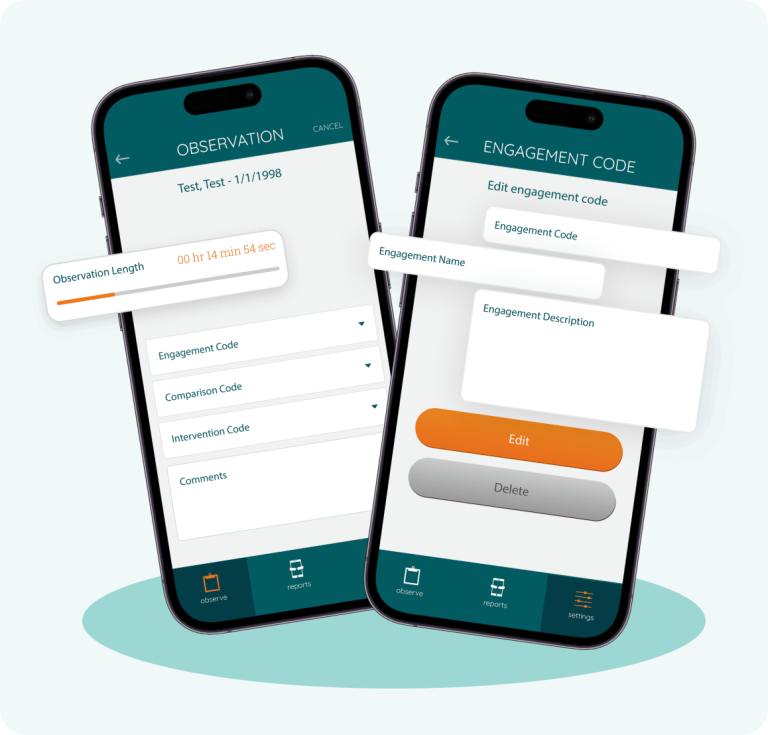
School psychologists relied on manual notes and time-consuming reporting. We built a compliant application that reduced data capture time by 75% and standardized reporting across classrooms.
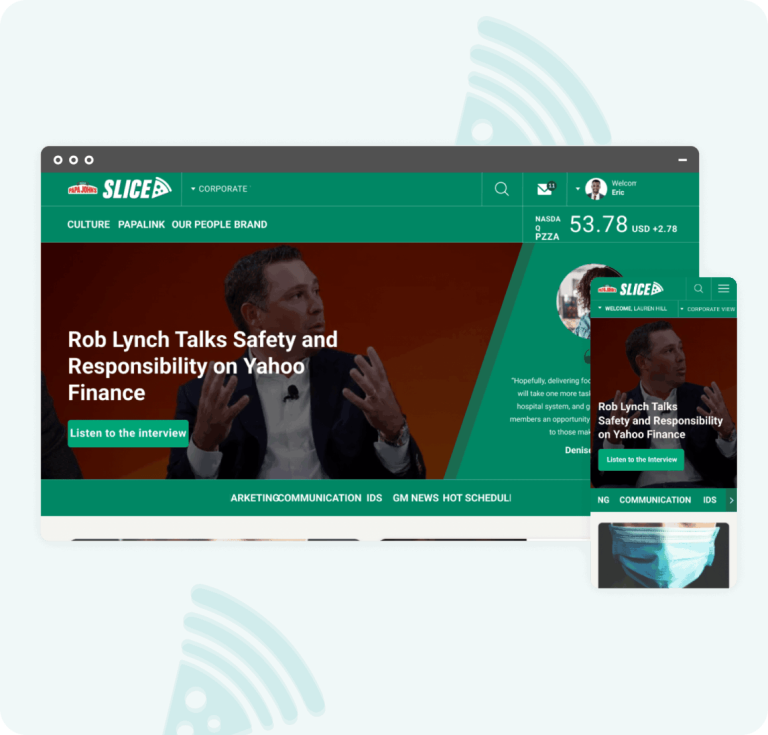
A disconnected internal system made communication difficult between teams and franchisees. We built a secure intranet that centralizes content and keeps daily operations consistent.
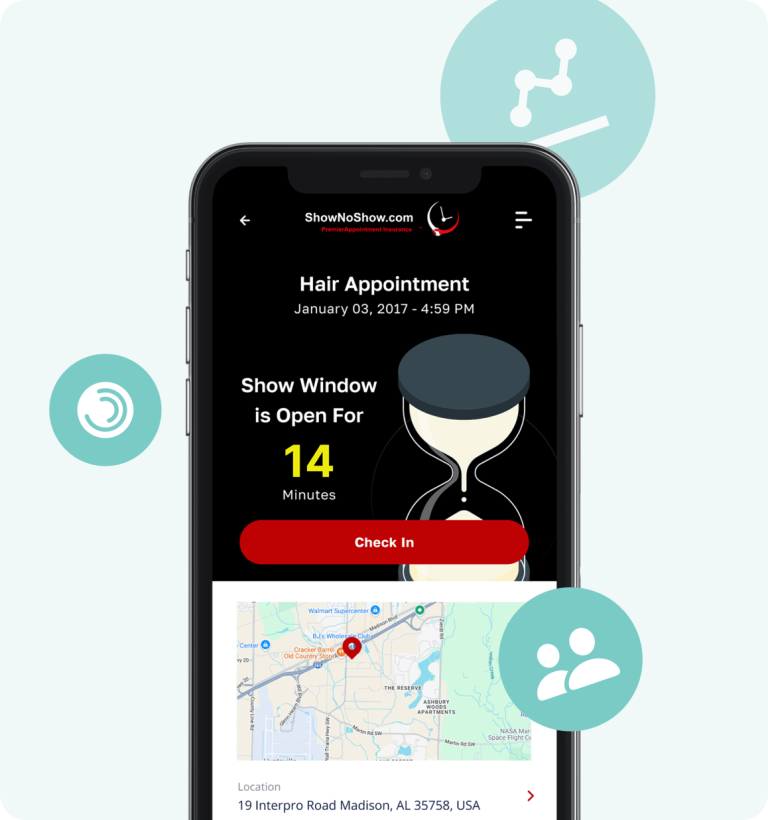
Missed appointments created gaps in schedules and reduced efficiency. We developed an application that encourages attendance, enforces accountability, and simplifies scheduling for multiple user groups.
Some organizations need internal software or integration services to bring order to complex workflows. Others need a product partner to build or advance a commercial SaaS platform. We support both.
Replace disconnected tools with applications that follow how work gets done. Integrate with your CRM, ERP, EMR, SIS, and other core systems so data flows reliably and execution stays consistent.
Systems are built securely, accessible, and ready to handle growth without breaking.

Build platforms designed for real-world usage across customers. Architecture enables clean data separation, controlled access, and reliable performance as usage grows.
Development stays controlled, releases stay predictable, and the product holds up under pressure.
Operations start to strain when spreadsheets expand, tools stop connecting, and manual work fills the gaps. Teams spend more time fixing issues than completing work. Small breakdowns turn into larger operational risks. We build custom SaaS applications that remove friction and restore control.
We build on multi-user platforms designed for complex workflows and enterprise integrations where multiple roles depend on accurate, shared data.
We develop applications that remove manual steps and duplicate entry, so work moves without delays caused by rework.
Custom applications augmented with AI and machine learning that surfaces insights from existing data, helping teams act faster without adding complexity.
Multi-sided platforms with defined permissions, transaction logic, and controls required to manage users, vendors, and transactions.
Secure portals that give customers, distributors, and partners direct access to information without relying on internal teams.
We custom design SaaS architecture to connect cleanly with existing systems so new functionality does not create new silos.
Systems that handle billing, licensing, and account management without errors that affect revenue or customer experience.
Applications built for teams working in the field, on the plant floor, or anywhere in any industry where work does not happen at a desk.
Reporting environments that bring data into one place so decisions are made with complete, current information.
Regulated industries and complex environments demand more than capable development. They require a partner who understands compliance requirements, integration constraints, and how teams actually work before development begins.

Capture plant floor data, connect ERP systems, and provide real-time visibility across lines and facilities. Replaces paper processes. Reduces scrap and rework.

Applications for clinical and administrative teams built to meet HIPAA requirements and integrate with EMR systems without introducing risk for secure SaaS healthcare operations.

We map your current system, design a cloud-based replacement, and execute migration with minimal disruption and clear operational gains.

Purpose-built platforms for operations, HR, compliance, and training where off-the-shelf tools fall short.

Secure portals that connect channel partners to pricing, inventory, orders, and support, integrated with ERP and CRM systems.





Choosing the right SaaS development partner removes the risks that drain time, budget, and confidence. These problems disappear when software is built to match how work actually gets done.
Tell us where your teams are losing time. We will tell you what is realistic and how to move forward.
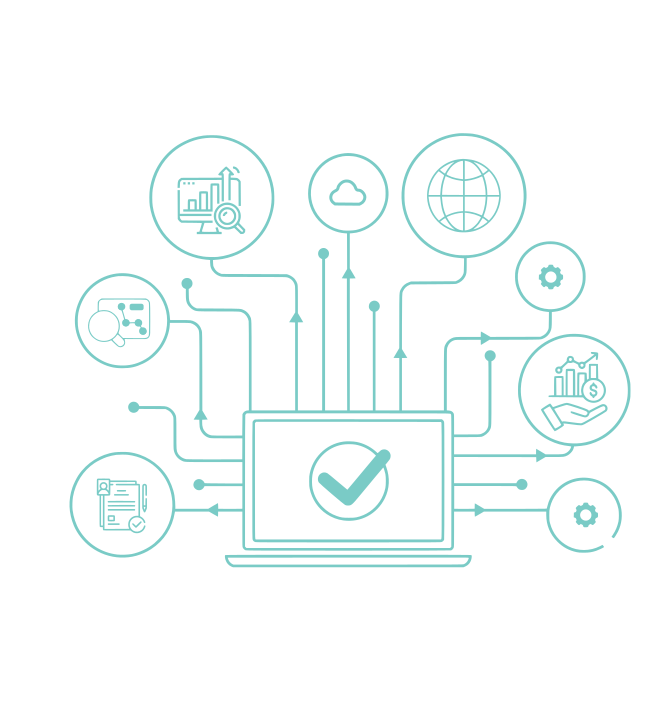
Less manual effort. Fewer surprises. Greater accuracy. Clearer visibility. Teams move away from outdated tools and scattered data to systems that carry the work instead of slowing it down.
A SaaS development agency designs, builds, and evolves cloud-based software based on how an organization operates. This includes product strategy, UX design, architecture, development, system integration, and ongoing feature updates.
Cost depends on complexity, integrations, compliance requirements, and scale. Accurate estimates require understanding the workflow first. A discovery session defines scope, phases, and investment based on actual requirements.
Timeline depends on scope and required functionality. Discovery defines phased delivery, milestones, and integration or compliance requirements that typically affect timelines.
Our tech stack will depend on your operational environment, existing systems, compliance needs, and scale targets. DBS selects technologies based on long-term reliability and fit, not trends.
SaaS success depends on how well usability, scalability, security, and integration work together. A specialized agency brings product, UX, and engineering expertise, along with experience in identifying operational issues early.