 16 Min Read
Turning Search Into Trust in Chemical Marketing
Digital visibility matters more than ever for B2B chemical marketing. Buyers increasingly use search engines to find reliable chemical suppliers. More than 65% of B2B buyers now research suppliers online before contacting a sales representative. This shift makes SEO for chemical manufacturers essential to growth.

SEO in the chemical sector brings unique challenges. Chemical products often have highly technical names, and content must address regulatory standards and safety information. Buyers expect precision, compliance, and clarity.
If your site is slow, confusing, or missing data sheets, they will move on. Many chemical marketers also struggle with low search visibility because of niche terminology and inconsistent content.
Addressing these issues can lead to measurable gains in an industry where trust and technical accuracy influence purchasing decisions.
Why SEO, GEO, and AEO Matter
Traditional SEO remains essential for online visibility, but newer factors now shape performance. Answer engine optimization (AEO) helps capture voice searches and direct-answer queries. As AI-driven search expands, generative engine optimization (GEO) ensures your content can appear in AI-generated responses.
When technical buyers ask a digital assistant, “Who supplies automotive coating chemicals?” you want your brand to be among the results. Adopting these approaches early supports readiness for evolving search formats.
Understanding SEO in the Chemical Industry
SEO influences how chemical brands reach technical buyers online. Unlike consumer-focused SEO, it requires addressing detailed, compliance-related content while maintaining accessibility and searchability. Understanding these requirements is the foundation for developing a strategy that improves visibility and qualified traffic.
SEO as a Long-Term Strategy
In the chemical sector, SEO is a sustained process focused on making technical content discoverable and reliable. Effective SEO helps your website appear when prospects search for relevant solutions, and it requires continual refinement to stay effective.
Complexity of Chemical Websites

Chemical companies face distinct SEO challenges. Content often includes scientific terminology, product codes, and regulatory information that search engines may not interpret easily. A single compound may have multiple names, and certain grades or certifications must be communicated clearly. Buyers are often global, making multilingual SEO and regional targeting important. Achieving this reach requires bridging the gap between technical language and buyer terminology while structuring site data for accurate indexing.
Purpose of SEO for Chemical Suppliers
The objective of SEO in the chemical sector is to connect technical buyers with appropriate solutions while reinforcing credibility. A well-optimized website should:
- Help buyers find your company when searching for specialized chemical solutions.
- Communicate expertise, safety standards, and compliance clearly.
- Demonstrate accurate documentation and quality control.
- Capture qualified, niche traffic, such as “REACH-compliant solvent manufacturer” searches.
- Support visibility across regional markets.
- Convert technical offerings into a credible online presence that generates inquiries.
The Pillars of Effective SEO for Chemical Companies
A successful SEO strategy in the chemical industry is built on a foundation of components that work together to support visibility and trust. Each element influences how your brand is discovered and evaluated online. Focusing on these core areas helps your site perform well with search engines and technical audiences.
Technical SEO
Technical SEO is the foundation of an effective chemical industry strategy. If your website infrastructure isn’t solid, content and keywords will not achieve reliable visibility. Buyers in technical fields expect accuracy and security at every stage. A slow or unsecured site reduces confidence, especially when users are downloading data sheets or submitting forms.
Key Tech SEO Elements
- Fast, secure performance. Ensure your site loads quickly and uses HTTPS encryption. Chemical buyers often download detailed PDFs or view high-resolution images, so these files should be optimized for speed. Security supports trust in regulated sectors.
- Structured data and schema. Use schema markup for products and technical content. Structured data helps search engines interpret information, such as CAS numbers, specifications, and SDS links, which improves how pages appear in search results.
- Multilingual and regional SEO. If you serve global markets, create multilingual or region-specific pages. Implement hreflang tags so search engines show the correct version. International distributors should localize content to enhance visibility and comply with regulatory requirements.
- Mobile-first experience. Many field engineers and procurement teams research on mobile devices. More than 60% of global B2B searches occur on mobile, so usability is essential for ranking and user experience.
Strengthening these technical elements creates a foundation for improved performance. A technical site audit can identify issues such as missing metadata, slow assets, or duplicate content that may affect rankings.
Industrial Content Strategy
In the chemical industry, content is effective only when it is clear and accurate. An industrial content strategy presents technical information in a way that is accessible to researchers, engineers, and procurement teams. High-quality content also supports SEO because search engines reward authoritative, relevant material.
Why Content Matters
Buyers rely on accurate, detailed information when evaluating chemical suppliers. Educational content helps demonstrate your understanding of applications, safety requirements, and regulatory standards.
Focus Areas for a Chemical Content Strategy
Educational resources. Produce in-depth articles, guides, and how-to content that address common technical questions. Topics may include handling procedures, formulation comparisons, or troubleshooting guidance.
Thought leadership formats. Use white papers, case studies, and technical blogs to demonstrate expertise. These formats can earn engagement and backlinks.
Answer engine optimization (AEO). Incorporate a question-and-answer structure in your content. AEO improves visibility in voice searches and features snippets. Adding FAQs to product pages helps surface conversational queries.
Critical Tactics to Implement
- Use semantic keywords and technical terms naturally, including CAS numbers, chemical families, and common synonyms
- Highlight compliance and certifications, like EPA, REACH, or ISO standards
- Use visuals, such as diagrams, charts, and infographics to clarify information
On-Page Optimization
On-page SEO refines each webpage so it’s both human-friendly and search-friendly. For chemical brands, this means balancing technical accuracy with readability. Every product page, landing page, or article should clearly explain what it covers and why it’s relevant.
Key On-Page Strategies for Chemical SEO
- Clear, informative metadata. Write titles and meta descriptions that match user intent. These tags confirm that a page contains relevant product information.
- Entity and context linking. Link related topics across your site. Connecting product pages, standards, SDS files, and application guide strengthens context and navigation.
- Readable, structured content. Use headings, bullet points, and tables to present technical information clearly. Structured formatting also supports AEO and featured snippets.
- Detailed on-page information. Ensure product pages include complete technical details. Optimize images with descriptive alt text and use clear headings to reinforce topic structure.
Building Brand Authority
In a specialized B2B sector, building authority is essential. Off-site signals indicate credibility to search engines and buyers. Authority comes from consistent outreach, PR, and industry engagement.
Effective Ways to Build Authority for Chemical Companies
Showcase credentials and achievements. Publish updates about certifications, audits, or research partnerships. These can earn mentions from industry media and associations.
Use industry directories and trade publications. List your company in recognized directories, such as ChemEurope or ICIS. Contribute articles or insights to respected publications to support visibility and earn high-quality backlinks.
Promote thought leadership on professional platforms. Share insights or technical explainers on platforms such as LinkedIn. While social signals do not directly affect rankings, they enhance brand presence.
Earn media coverage and PR placements. Offer commentary or story ideas to chemical and manufacturing media. Being quoted on industry topics builds credibility and may result in authoritative backlinks.
Conversion Rate Optimization
SEO brings visitors to your site, but conversion rate optimization (CRO) turns that visibility into inquiries. For chemical suppliers, CRO helps move users from research to action.

EXAMPLE
From Materials to Masterpiece
The ZEON SMI site needed to strike a balance between practical functionality and ZEON's advanced products and diverse industry sectors.
The goal was to enhance the user experience, strengthen the brand, and support future growth.
Key CRO Tactics for Chemical Websites
Conversion-focused layout. Use clear calls to action on product and service pages. Make catalogs searchable and allow users to request quotes directly.
Smart, dynamic forms. Offer multiple forms tailored to different needs, such as pricing, samples, or demonstrations.
Gated technical content. Gate detailed assets, such as white papers, research reports, or technical data sheet (TDS) documents to collect qualified leads.
Build trust through proof. Use testimonials, recognizable client logos, and data points. Run A/B tests on CTAs and layouts to improve conversions.
Why GEO Is the Next Step

The way people search is evolving.
Beyond traditional search engines, professionals now use AI-powered tools to get answers.
For technical industries like chemicals, this change could be significant.
A procurement specialist might ask an AI assistant, “Who produces pharmaceutical-grade acetic acid?” and expect a direct, trustworthy answer.
Generative engine optimization (GEO) prepares your content for AI-driven searches so your brand appears in results from tools like ChatGPT, Bing Copilot, or Google’s AI overview.
AI Search Is Changing Buyer Behavior
Large language models (LLMs) process large amounts of information and return a single answer or summary instead of a list of links. That means your content could be referenced without a click, unless it’s clear and accessible. GEO structures your content so AI systems recognize it as credible and relevant. Think of it as SEO adapted for algorithms that speak answers back to users.
How to Adapt for GEO and AI Search in Chemical SEO
Focus on intent clusters. Group related questions your buyers ask instead of targeting single keywords. For example, if you serve automotive clients, an intent cluster might include “best chemical suppliers for automotive coatings,” “UV-resistant coating chemicals,” and “automotive paint solvent supplier.” Create content hubs that address those needs in one comprehensive guide or landing page.
Optimize FAQs and knowledge hubs. Create a structured FAQ section that utilizes conversational questions and concise answers. Research shows AI tools often prefer clearly formatted content, such as Q&A pages or bullet points. This increases the likelihood that your answers appear in AI responses.
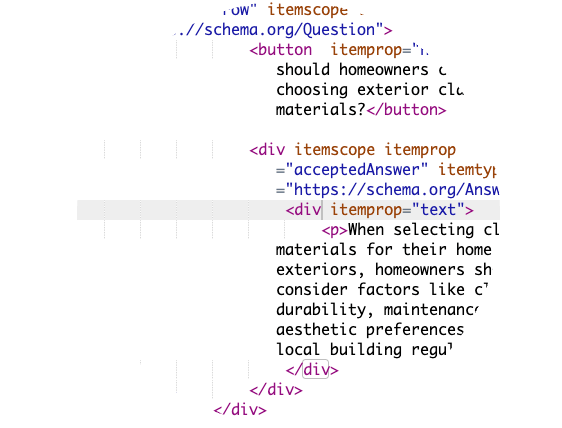
Use schema and structured data. Add markup such as FAQ or HowTo schema to help AI systems interpret your content accurately. Tag product and information pages consistently. Early adoption helps technical brands stay visible as GEO continues to evolve.
Monitor AI-generated mentions. Track how your brand appears in AI summaries and search overviews. If your company isn’t cited where it should be, improve coverage on that topic. When your content is referenced by AI, it signals growing authority and relevance.
GEO and AEO extend traditional SEO by helping your brand stay visible wherever users seek answers, including search engines, voice tools, and AI assistants. Staying proactive helps your company remain competitive as search technology continues to shift.
Ready to prepare your SEO for the AI era? Learn how our team optimizes chemical industry websites for GEO and AEO.
Measuring SEO Success in the Chemical Industry
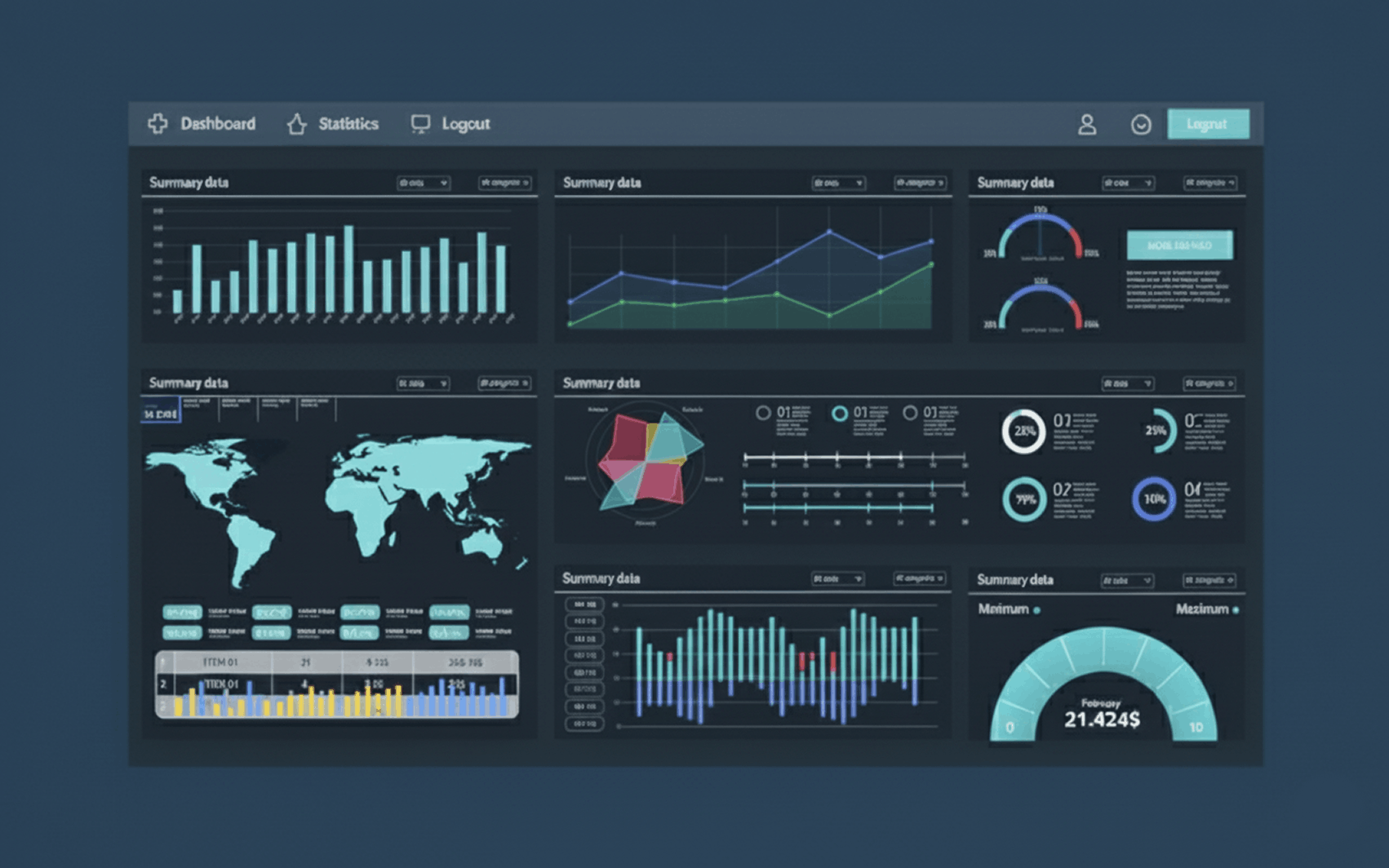
How do you know if these SEO efforts are paying off? In any SEO campaign, tracking metrics is essential. For chemical industry brands, some KPIs deserve extra attention. Below are the core KPIs chemical companies should monitor, along with the tools that help measure them.
Key Metrics to Track
Qualified Organic Traffic Monitor
Monitor visitors from organic search, then go deeper into who they are and where they come from. Overall growth is good, but growth in relevant traffic is the real goal. In Google Analytics 4, you can segment by source and by attributes like location or user behavior. A bump in visits from engineering hubs or a longer time on site for product pages are positive indicators.
Search Rankings and Visibility
Track your rankings for important keywords and queries. For example, if “chemical supplier in Texas” or “epoxy adhesive SDS download” matters, track progress. Tools like Ahrefs, SEMrush, or Moz can monitor rankings globally. Also track presence in industry searches or directories. Being listed on page one for “specialty chemical manufacturing companies” is a visibility win. Use Google Search Console to view which queries drive impressions and clicks, and to identify new opportunities.
Engagement with Technical Content
Because chemical sites often offer downloadable resources, measure those conversions. Track downloads of white papers, SDS files, or spec sheets. If you gate downloads with forms, count submissions, and identify which assets drive the most interest. These actions are concrete signs of engagement.
Lead Generation and Conversion
Track leads that originate from organic search, such as quote requests or contact form inquiries, and label them as “Organic Search” in your CRM or analytics. Attribute revenue to SEO where possible. Even without full attribution, an increase in marketing-qualified leads from SEO is a primary success metric.
Brand Visibility Indicators
Watch how often your brand appears in searches related to your domain. Track referral traffic from industry sites or directories. If you contributed to a B2B chemical marketing blog or were listed on an industry portal, verify that those sources are sending traffic.
Tools to Use
A focused toolkit helps you measure what matters and refine your strategy over time.
Google Analytics 4 (GA4)
Use GA4 for insight into user behavior and conversion paths.
Google Search Console (GSC)
Review click-through rates, average positions, and queries. Catch indexing and coverage issues early.
Ahrefs and SEMrush
Rely on these SEO platforms for competitor benchmarking, backlink tracking, and ongoing keyword research.
Reporting Cadence
Run regular reports to compile these metrics and iterate your strategy.
Curious how these numbers look on your site? Schedule a chemical industry SEO audit with DBS for a detailed analysis. Contact Us
Common Pain Points in Chemical Industry SEO

Even with a strong strategy, chemical companies often face recurring SEO hurdles. Recognizing these challenges early helps you address them effectively.
Jargon Versus Search Intent
The chemical sector is filled with technical terminology, trade names, and abbreviations. Yet potential buyers often search in simpler or different terms. This gap between on-site language and search intent leads to missed visibility. The fix is targeted keyword research and content that bridges formal terminology with common phrasing. Include both the technical name and plain-language equivalents throughout your copy.
Unstructured Product Data
Many chemical websites hide information in PDFs or scatter it across multiple pages.
That frustrates users and makes crawling difficult for search engines. Create structured product pages or a searchable product database where every item has its own page summarizing key details.
Utilize product schema markup, establish a clear hierarchy, and link related pages together to enhance discoverability.
Global SEO and Regulatory Compliance
Reaching global markets adds complexity. You might rank well in one country but not another due to local competition or domain setup. A European buyer may look for “REACH-compliant adhesives,” while a U.S. buyer may search for FDA or EPA approval. Address these nuances by creating regional pages and incorporating relevant regulatory terms such as “EU REACH,” “RoHS,” and “U.S. EPA standards.” This approach maintains compliance and visibility without duplicate content.
Limited Internal Expertise
Many mid-size chemical firms operate with lean marketing teams that lack dedicated SEO specialists. Keeping up with algorithm updates and technical improvements can be difficult alongside other priorities. To close this gap, gradually train internal staff or partner with an industrial SEO agency that understands the chemical sector.
Content Quality and Consistency
Producing consistent, high-quality content in a technical field takes planning. A few good posts a year are not enough. Search engines reward websites that publish regularly and expand authority continually. Develop a content calendar tied to industry events to maintain output. Consistent publishing keeps your brand visible and steadily grows your SEO footprint.
Building a Future-Ready SEO Strategy
The chemical industry faces distinct SEO challenges, including complex content, stringent regulations, and niche audiences. However, these conditions also create significant opportunities. A strategy tailored to your sector can achieve results that generic approaches can’t.
When executed correctly, your website becomes a full-time sales and research engine, connecting you with engineers and procurement teams worldwide at the moment they need your solutions. Move away from generic marketing tactics and use an SEO approach built for the needs of technical buyers.
If you want to support improving your SEO in the chemical sector, talk to a team that understands the science and the search landscape. Our specialists can help you enhance visibility, refine technical content, and develop a long-term strategy that delivers results.
Related Posts