
Inbound Marketing Strategies for Manufacturers in 2026
A modern inbound blueprint built for technical buyers who self‑educate and expect personalized, connected experiences.
 23 Min Read
Inbound marketing attracts customers through valuable content and tailored digital experiences. Omnichannel inbound marketing ensures those experiences remain consistent across every touchpoint, meeting buyers wherever they research and engage.
For manufacturers, this means turning technical expertise into online content that attracts engineers and buyers who now self‑educate, completing nearly 70% of their journey before contacting a supplier.
Inbound methods align with this behavior while remaining cost‑efficient. Content marketing costs significantly less than outbound and generates more leads. In practice, inbound marketing helps manufacturers meet prospects on their own terms with the on‑demand answers buyers expect.
Why Inbound Still Matters
When executed well, an inbound strategy attracts higher‑quality leads and shortens sales cycles.
Educational content and SEO reach prospects as they research solutions, while omnichannel marketing ensures blogs, tools, social posts, and emails reinforce the same narrative. This always‑on approach works continuously, scales efficiently, and engages large audiences at comparatively low cost.
Inbound tactics are also highly measurable, showing which channels influence RFQs or demos and enabling continuous optimization. At its core, inbound marketing applies a manufacturer’s expertise and digital presence to attract qualified B2B leads.
The Problem: Your 2024 Inbound Playbook Is Already Obsolete
What felt advanced in 2024 is now standard practice. Many manufacturers have a solid website, a blog, and gated technical assets. That foundation is still important, but buyer expectations have moved on.
Today, a majority of B2B buyers expect the same smooth, personalised experience they encounter as consumers. Basic inbound assets alone no longer differentiate suppliers.
What Key Accounts Expect
- Web experiences that recognize them. When engineers or buyers from major OEMs visit your site, they expect relevant industry content instead of a generic homepage.
- Outreach aligned to real-world events. Accounts respond to suppliers who react quickly to regulatory changes, supply chain disruptions, or market shifts with timely, relevant insight.
- Consistency across channels. Buyers move between social, websites, email, and sales conversations. They expect that journey to feel connected and coherent.
When marketing treats every visitor the same and waits passively for inbound leads, high-value accounts are easy to miss. The precision manufacturers apply on the shop floor now needs to extend to marketing.
The Stakes: From Static to Predictive Systems
Buyer expectations are higher, and competitive pressure has increased.
Technical buyers typically reach late stages of decision-making before engaging sales, often initiating first contact themselves. By that point, preferred vendors may already be shortlisted.
Early insight shapes outcomes. Suppliers that guide buyers with relevant content and timely engagement often influence buying criteria before formal RFQs are issued.

Generic, broad-reach marketing has also become less efficient. One-size-fits-all campaigns inflate cost and generate leads unlikely to convert.
More focused, multi-channel programs typically deliver stronger efficiency and lower cost per lead.
Many manufacturers are already adopting account-based and AI-enabled strategies to gain an edge.
These approaches improve targeting, shorten sales cycles, and increase revenue impact.
Brand perception and talent attraction are also affected. Marketing that feels outdated signals stagnation, while modern digital strategies reflect innovation and operational maturity.
The real gap in 2026 isn’t between companies doing inbound marketing and those that are not. It’s between static, funnel-based programs and adaptive, data-driven systems.
The Shift: Why Funnels No Longer Reflect AI-Driven Revenue Systems
The goal is no longer to publish more content or capture more top-of-funnel leads.
The objective is to build a responsive revenue system that uses data to anticipate buyer intent and engage proactively.
Traditional funnels rely on gradual nurturing and delayed sales involvement.
Modern systems use behavioral signals and real-time triggers to identify when accounts show buying intent and respond immediately across channels.
This shift requires moving from campaign-based execution to an always-on operating model.
Marketing and sales work from shared data, focus on the same accounts, and coordinate engagement continuously.
The Plan: 5 Strategic Pillars for Inbound Success
Each pillar represents a high-level strategy that forward-looking manufacturers are embracing. Tactics like specific content types or tools play a supporting role. The focus is on the strategic intent behind them.
1. AI-Driven Personalization
Strategy in brief
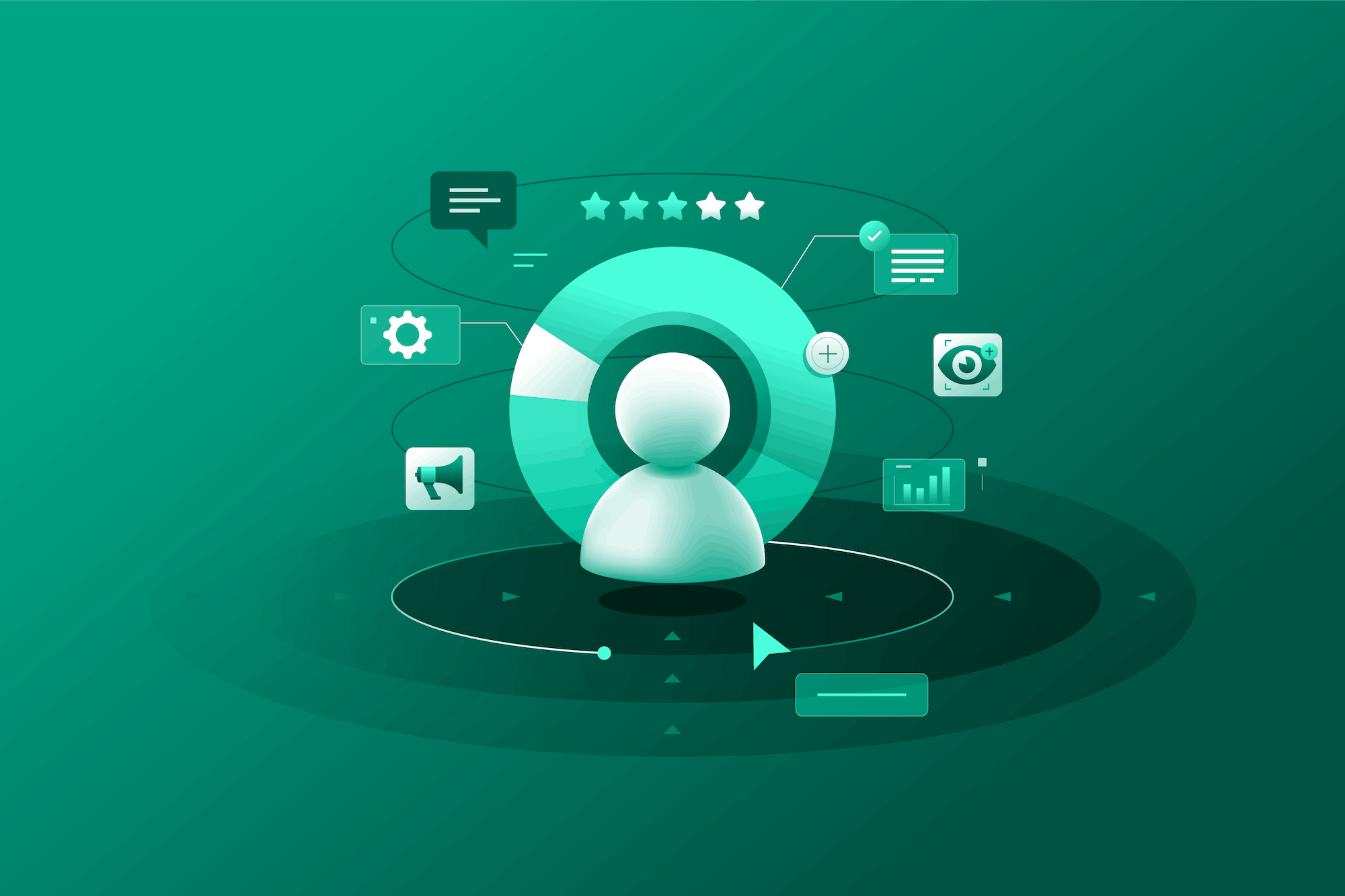
Use artificial intelligence and rich data to dynamically customize the experience for each visitor or account. From your website to emails and ads, every touchpoint should adapt to the prospect's needs and interests.
Why it’s crucial
Buyers are overwhelmed by generic content. Personalization cuts through by making messages immediately relevant.
When an engineer from a medical device company visits your site and sees content related to medical-grade materials, credibility is established quickly.
Engagement increases when the experience reflects the buyer’s context.
What it looks like in practice
An AI personalization engine may replace homepage case studies based on the visitor’s industry.
Email nurtures can adjust automatically to highlight features relevant to that lead’s sector. Chatbots can recognize known accounts and recommend content based on profile data.
Over time, the system learns which content drives deeper engagement. For manufacturers, this often results in more RFQs and quote requests as prospects find what they need faster.
Trust is built earlier, so when sales enters the conversation, the buyer already views the company as a knowledgeable partner.
2. Account-Based Inbound (Hybrid ABM)
Strategy in brief
Rather than casting a wide net, inbound marketing focuses on a defined set of high-value target accounts. Hybrid ABM still uses inbound tactics, but they’re tailored to engage and attract specific companies.
The emphasis is on quality and relevance over volume.

Why it’s crucial
Not all leads carry equal value in manufacturing. One OEM client can outweigh dozens of smaller opportunities.
Account-based inbound aligns marketing and sales around companies that matter most, improving conversion rates and revenue impact.
By concentrating effort on target accounts, teams reduce wasted spend and accelerate deals that are more likely to close.
What it looks like in practice
Personalized landing pages or microsites are created for top accounts based on their business needs.
LinkedIn ads are shown only to decision-makers at those organizations. Sales and marketing collaborate on content that speaks directly to account-specific challenges. As a result, deals from these programs tend to close faster.
3. Multi-Channel Orchestration
Strategy in brief
Coordinate marketing and sales channels to present one cohesive experience. Instead of siloed efforts, engagement is treated as a single, connected journey. Wherever buyers interact, messaging reflects their stage and priorities without forcing them to start over.
Why it’s crucial
B2B buyers move fluidly between channels, often using ten or more throughout their journey. If a brand is missing from a channel or messaging isn’t aligned, buyers lose context and confidence.
A coordinated omnichannel experience keeps prospects engaged and reinforces trust. Integrated campaigns consistently show higher engagement and lower cost per lead than single-channel efforts
What it looks like in practice
A prospect watches a factory tour on YouTube, which triggers an email with a related case study. Clicking through brings them to the website, where a chatbot references the video.
At the same time, sales is alerted and connects on LinkedIn with a relevant whitepaper. Each interaction reinforces the same narrative.
4. Predictive Analytics and Real-Time Triggers
Strategy in brief
Use predictive analytics and intent data to engage buyers at the right moment. Instead of waiting for form fills or static lead scores, teams rely on real‑time alerts and automated actions tied to behavior and external signals.

Why it’s crucial
Timing plays a major role in B2B sales. Predictive tools analyze patterns to identify when accounts are actively researching solutions.
Combining website behavior with third‑party intent data helps teams recognize when buyers are in‑market.
Acting early captures opportunities competitors may miss.
Reaching out sooner with relevant insight often determines who leads the conversation.
What it looks like in practice
CRMs integrate with intent platforms like 6sense, ZoomInfo, or Bombora. Marketing defines triggers such as visits to pricing pages or repeated searches for specific keywords.
When thresholds are reached, content is automatically delivered, and account executives are notified.
Dashboards display real-time intent scores, allowing teams to prioritize outreach.
5. Unified Sales and Marketing
Strategy in brief
Marketing and sales align around shared revenue goals and account lists. This goes beyond surface-level coordination and becomes an operational partnership with shared KPIs, defined follow-up expectations, and unified reporting.
Why it’s crucial
Siloed execution breaks down during long, complex buying cycles. Buyers expect a unified experience.
When teams operate independently, delays and inconsistencies appear.
A unified revenue team reduces friction, improves responsiveness, and increases pipeline contribution from marketing.
What it looks like in practice
Sales and marketing hold regular revenue meetings to review pipeline and intent data together.
Both teams agree on what defines a qualified opportunity. Outreach cadence is coordinated, and shared systems ensure visibility into every touchpoint.
Case Example
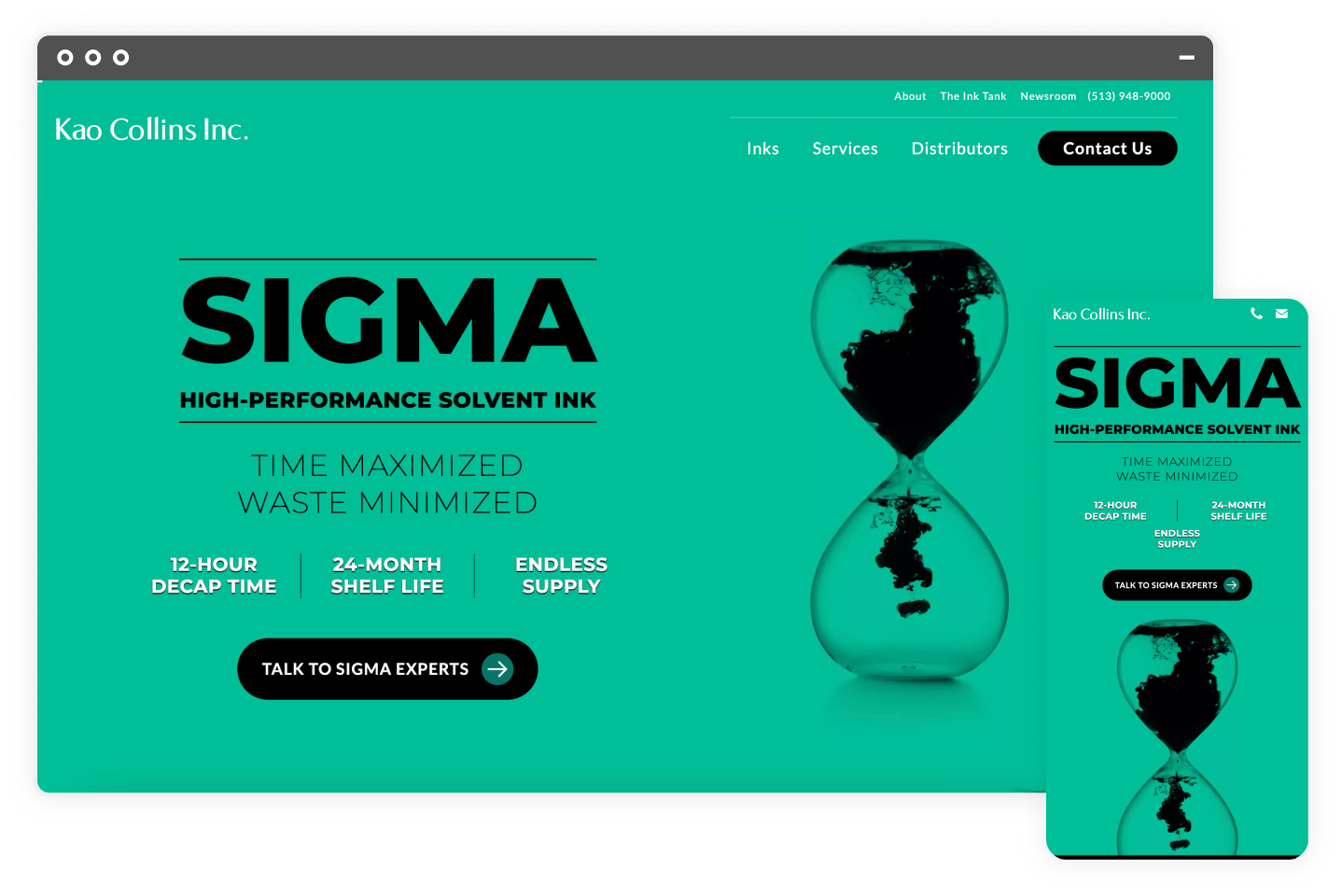 When Kao Collins launched SIGMA, a solvent ink designed to challenge assumptions about black inks, success required more than a campaign.
An omni-channel inbound marketing strategy integrated branding, SEO, PR, social, and paid outreach into one unified story. Technical differentiation was translated into market relevance.
The launch demonstrated how personalization and coordinated engagement can turn a product introduction into a predictive revenue engine.
The Team Behind the Transformation
Building and executing these five pillars isn’t just about tools. It also requires the right mix of skills. Many manufacturers find that their current marketing teams need to upskill or add new roles to support an AI-driven, account-centric inbound program.
Role |
Critical Skills |
Why It Matters |
| ABM Strategist | ICP definition, tiering, 1:few campaign design | Turns a defined list of target accounts into a focused revenue plan |
| Data and AI Specialist | Predictive lead scoring, intent triggers, CDP setup | Enables the system to anticipate buyer behavior and buying signals |
| Revenue Operations Lead | SLA design, CRM-marketing sync, attribution | Aligns sales and marketing around shared revenue outcomes |
| Personalization Developer | Dynamic content blocks, IP and firmographic recognition | Builds digital experiences that adapt to each visitor or account |
| Multi-Channel Orchestrator | Journey mapping, cross-channel attribution | Keeps engagement consistent as buyers move across channels |
Not every manufacturing firm will have all these roles in-house right away. Many partner with a specialized inbound marketing agency or consultants who bring these capabilities, establish the systems, and then help train internal teams over time. Inbound success in 2026 depends on coordination across creative, analytical, and technical functions.
The Transformation: What Success Looks Like Today
Adopting these strategic pillars and building the right team may sound like a significant change. But it leads to tangible outcomes that justify the effort. Here are signs that an inbound marketing transformation is working:
Marketing drives a large share of the pipeline: Instead of relying primarily on repeat business or outbound prospecting, a meaningful portion of new opportunities comes directly from marketing activity.
Sales cycles shorten and win rates improve: Because buyers are educated with relevant content and engaged at the right time, they enter sales conversations more informed and confident. In many cases, prospects who engage deeply with personalized content and intent-based triggers enter the pipeline already 60-70% decided. Sales focuses on validation and final details instead of extended education.
Opportunity quality improves while costs decrease: Modern inbound programs focus on precision. Rather than generating high volumes of low-fit leads, teams see a higher percentage of ideal opportunities. Budgets are used more efficiently by prioritizing high-intent channels and tailored engagement.
Sales and marketing alignment improves: Internal friction decreases as teams operate against shared goals. Leads and accounts are followed up faster, feedback loops tighten, and wins and losses are reviewed together to improve performance.
Trust is established earlier in the buying process: Prospects often enter initial conversations with a strong understanding of the company and its expertise. When buyers already trust the supplier before the first consultation, close rates increase.
At this stage, marketing and sales operate as a unified growth engine. Marketing is no longer viewed as a cost center, and sales actively rely on inbound programs to expand engagement with key accounts. This alignment creates a durable competitive advantage.
The Internal Shift: New Mindsets
Achieving these outcomes also requires rethinking long-held assumptions inside manufacturing organizations. Technology and strategy alone aren’t enough if leadership continues to rely on outdated metrics or habits. Several mindset changes are required.
Old Belief |
Reality |
| “We just need more leads.” | You need the right 200 accounts engaged at the right moment. |
| “Our website is fine.” | Your website is now your primary salesperson. |
| “Marketing is a cost center.” | Marketing is a scalable revenue team. |
| “Sales and marketing are separate.” | They operate as one revenue team with different tools. |
| “Personalization is a nice-to-have.” | Personalization at scale now expected. |
A Final Hint: You Don’t Have to Do It Alone
Reading this, you might be thinking: “This is a big leap from where we are today.” That’s fair. This kind of transformation touches strategy, people, and processes.
The encouraging part is that most manufacturers can implement these five pillars within 6 to 12 months with the right focus and partners. In many cases, the fastest way to start is by working with experienced specialists or bringing in a small number of targeted roles.
The key is to start. Manufacturers that act now build more adaptive, predictive revenue systems. Those that maintain status-quo inbound programs are likely to see diminishing returns as buyer expectations continue to rise.
FAQs
Traditional outbound tactics rely on cold outreach and broad campaigns. Inbound marketing for industrial manufacturers uses targeted content, search visibility, and buyer‑intent signals to reach prospects earlier in the buying cycle. This results in higher‑quality leads, lower cost per acquisition, and stronger conversion rates.
Inbound marketing nurtures technical buyers with industry‑specific content, application insights, and engineering resources. This builds trust and credibility over time and keeps your company top‑of‑mind during long evaluation periods. When buyers are ready to engage, they already view your team as a knowledgeable partner.
High‑performing content includes application guides, technical blogs, industry‑specific case studies, ROI calculators, CAD downloads, and comparison resources. These assets help engineers and procurement teams evaluate materials, processes, and suppliers with confidence.
Most manufacturers see early traction within 60–90 days and meaningful pipeline impact within 6–12 months. SEO, content, and intent‑based programs compound over time, creating a predictable, scalable revenue engine that outperforms campaign‑based marketing.
Inbound marketing for manufacturers is not passive. Modern programs use SEO, intent data, AI personalization, and account‑based targeting to reach high‑value buyers at the right moment. Teams act on behavioral signals and industry‑specific content to engage engineers and procurement teams while they are actively researching solutions.
Inbound marketing is highly effective for B2B manufacturers with long sales cycles. Engineers and OEM buyers rely on digital research before contacting suppliers, which makes inbound a strong channel for generating RFQs and quote requests. Ranking for long‑tail industrial keywords and offering technical content attracts fewer leads but produces higher quality opportunities.
Inbound marketing works well for specialized industries because it uses industry‑specific content, long‑tail SEO, and AI personalization to match each sector’s needs. Aerospace, medical devices, automotive, and industrial automation buyers respond strongly to content that reflects their applications and compliance requirements. Precision creates trust and drives deeper engagement.
Related Posts