How B2B Web Design Generates Leads and Growth for Manufacturers
When technical clarity, UX, and SEO come together, manufacturers can more easily capture, educate, and convert qualified industrial buyers online.
 9 Min Read

Great web design is a powerful marketing engine for manufacturers. It often serves as the first salesperson. A well-designed industrial website builds instant credibility, clearly communicates complex offerings, guides technical buyers toward RFQ conversions, and improves search visibility.
Modern manufacturing website design isn’t just about looks. It enables trust, clarity, lead generation, and growth.
How Industrial Buying Behavior Has Changed
Manufacturing buyers now conduct extensive research online before engaging a supplier.
Engineers and procurement teams self-educate through search and supplier websites. Studies show B2B buyers are nearly 70% through their purchasing process before speaking with a vendor, and in most cases the buyer initiates first contact. By the time outreach happens, many buyers already have a preferred vendor and defined requirements.
The move toward digital self-service means a manufacturer’s website must make a strong impression quickly. Traditional brochures and offline materials alone are no longer enough.
In manufacturing, where decisions are high-stakes and long-term, a poor web presence signals risk. An effective website has become central to modern B2B manufacturing marketing because it captures interest, builds confidence, and keeps suppliers on shortlists.
Manufacturers relying on static brochure-style sites are losing visibility and credibility. The website is now the center of the marketing effort. It must reflect how buyers research, compare, and decide.
Web Design as a Trust-Building Engine

A manufacturer’s website is often the first interaction a potential customer has with the company. Trust is formed within seconds of landing on the homepage. Strong industrial web design conveys credibility through visual professionalism, clarity, and authenticity.
First Impressions
An intuitive layout, clear navigation, and high-quality imagery signal that a manufacturing business is reliable and well-run. Users form opinions quickly, so the design must establish confidence immediately.
Credibility Signals
Real photos of facilities, machinery, teams, and products build authenticity. Certifications, quality standards, client logos, and testimonials reinforce trust. For manufacturers with long sales cycles and complex offerings, these signals are critical.
Consistency and Polish
A cohesive design and responsive layout show attention to detail. Engineers and procurement teams notice this. A fast, structured site suggests operational discipline, while a neglected one raises concerns.
When visitors trust what they see, they stay longer and engage more. Good web design reduces friction and hesitation, leading to more inquiries and RFQs. Investing in manufacturing web design is an investment in trust.
Web Design Communicates Technical Expertise Clearly
Industrial products and services are often complex. Website design and content structure must simplify technical depth without oversimplifying it. Good design helps translate expertise into understanding.
Structured Technical Content
A clear information architecture enables easy access to specifications, data sheets, CAD files, and compliance details. Tabs, accordions, and well-labeled sections help technical users find what they need quickly.
Interactive Tools
Many modern industrial websites include product configurators, 3D viewers, or comparison tools. These features allow engineers to self-serve information while demonstrating technical sophistication.
Clarity For Precision
Technical buyers value accuracy and clarity. Visual aids like diagrams, charts, and process visuals reduce reliance on long text blocks. White space and layout choices prevent information overload.
Clear communication of technical expertise reduces misunderstandings and positions the manufacturer as a capable, reliable partner. In this way, web design becomes a form of technical marketing.
Web Design Improves Lead Capture and RFQ Conversions
Lead generation is a primary goal of a manufacturing website. Thoughtful web design directly improves RFQ and inquiry performance by creating clear, usable conversion paths.

Visible Calls-to-Action
RFQ buttons and contact options should be easy to find on product and service pages. When calls to action are obvious and accessible, more visitors convert.
Streamlined RFQ Forms
Well-designed RFQ forms are concise and practical. Features such as file uploads, saved information, or multi-step layouts reduce friction and encourage completion.
Conversion-Focused Elements
Design can help conversion through chat tools, gated technical resources, or guided navigation. Layout and flow help move users from research to action.
Design for the Buyer’s Journey
An effective industrial website moves buyers from awareness through decision. Features like saved product lists, selectors, or “add to quote” tools improve usability and prompt engagement at the right moment.
A smoother user experience leads directly to more RFQs and inquiries. By removing obstacles and supporting how buyers actually behave, web design becomes a practical driver of manufacturer lead generation.
Web Design Boosts SEO Performance for Manufacturers
Good design and good SEO go hand in hand. A technically sound website is more likely to rank well for manufacturing SEO keywords, bringing in consistent organic traffic.
Clean Code and Structure
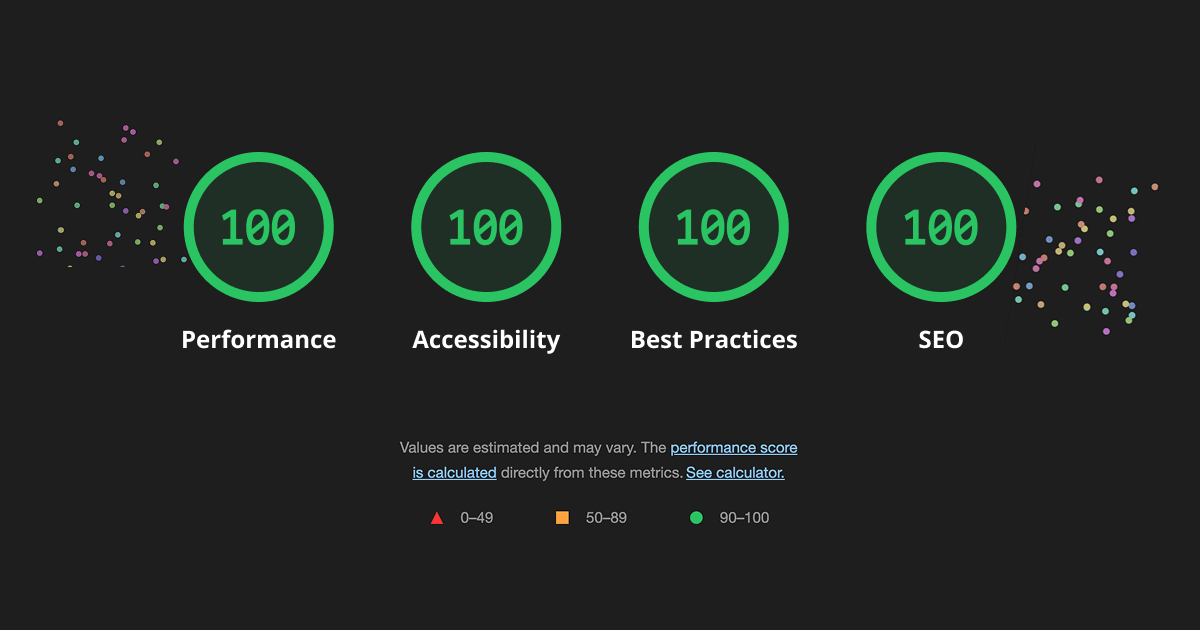
Modern web design emphasizes semantic HTML, fast load times, and mobile-responsive layouts, all of which align with how Google evaluates websites. Clear code makes it easier for search engines to crawl and index pages. For manufacturers targeting technical terms and product keywords, a solid technical foundation is important.
Lower Bounce Rates and Higher Engagement
Design influences user behavior metrics like bounce rate and dwell time, which correlate with SEO performance. Intuitive layouts and relevant content keep visitors engaged longer, while poor design leads to quick exits. Google’s data shows that as page load time increases from 1 to 3 seconds, the bounce rate rises by 32%. Longer sessions and lower bounce rates often align with stronger search visibility.
Content Visibility and Reach
Design plays a role in how content is presented and discovered. Clear layouts encourage backlinks and sharing, while features such as blogs or resource libraries keep content fresh and searchable. This helps manufacturers rank for a broader set of industrial search queries.
Mobile-First Indexing and Core Web Vitals
Google primarily uses mobile performance for indexing. Responsive design ensures consistent performance across devices and protects mobile rankings. Core Web Vitals are also part of the ranking algorithm. Well-built sites typically meet these benchmarks, while poorly designed ones struggle.
Investing in UX and technical design directly improves search visibility. When content, design, and SEO work together, manufacturers attract more qualified organic traffic and reduce reliance on paid acquisition.
Web Design Aligns Sales and Marketing Teams
A strong manufacturing website acts as a shared reference point for sales and marketing teams.
Unified Content Hub
The website becomes the central location for product details, specifications, pricing context, case studies, and FAQs. Instead of relying on scattered PDFs or custom slide decks, both teams point prospects to the same source of truth, creating consistency across conversations.
Sales Enablement Features
Well-designed sites include tools sales teams can actively use. For instance, product selectors, comparison pages, or ROI calculators. Reps can reference these assets during calls or demos, reinforcing messages already seen on the site.
Lead Qualification
Website forms can capture context that helps sales prioritize follow-up. RFQ fields such as quantity, application type, or timeline give sales better insight before the first conversation.
Shared Visibility Into Buyer Behavior
Marketing and sales integrations allow both teams to see how prospects interact with the site. Marketing learns which pages drive conversions, while sales sees which content buyers viewed. This shared insight improves coordination and feedback loops.
A high-performance connects marketing and sales around a single narrative. The result is faster response times, clearer conversations with buyers, and fewer handoff gaps.
Web Design Improves Competitive Positioning
Many manufacturers still compete against companies with outdated websites. This creates a clear opportunity to stand apart.
Differentiation
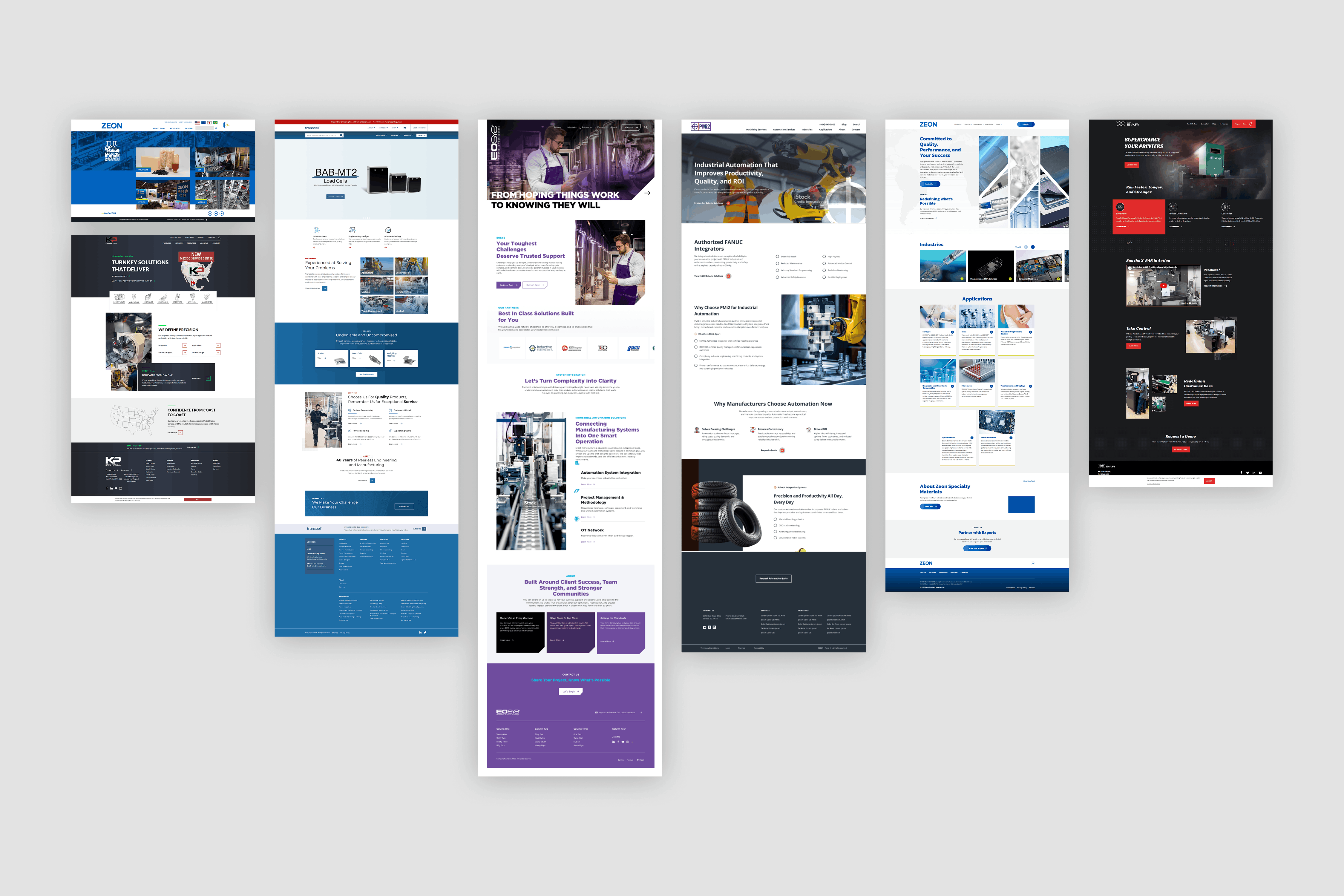
Modern, easy-to-use websites signal that a company is current, capable, and customer-focused. In industries where competitors rely on dated designs, this difference is immediately noticeable.
Clear Value Communication
Design allows manufacturers to explain what makes them different. Through layout, visuals, and structure, websites communicate capabilities and positioning more effectively than static brochures.
Authority and Credibility
Resources sections, blogs, and technical content establish expertise. When buyers encounter clear, relevant insights on a site, they view the company as more credible than competitors with thin or outdated content.
Customer Experience as an Advantage
Ease of use influences buying decisions. Websites that help users find information quickly, configure products, or request quotes remove friction. Many B2B buyers favor suppliers that offer a superior digital experience, and sites that prioritize usability reflect that expectation.
A modern manufacturing website signals operational maturity and market awareness. In competitive environments, that signal matters.
Real-World Results: Case Study Highlights
Even modest improvements in web design can lead to measurable gains.

Zeon Specialty Materials, Inc.
Bringing Clarity to Technical Complexity
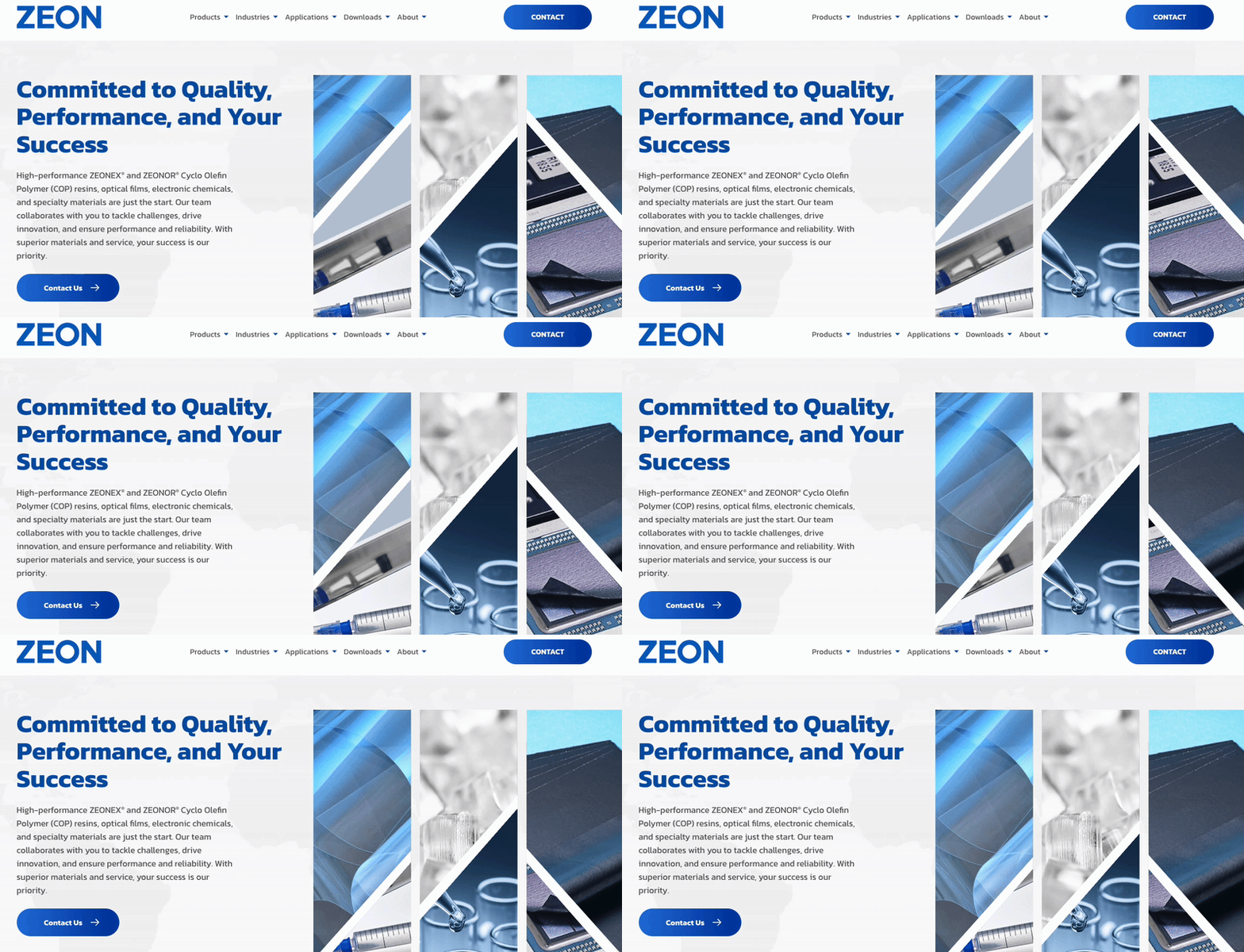
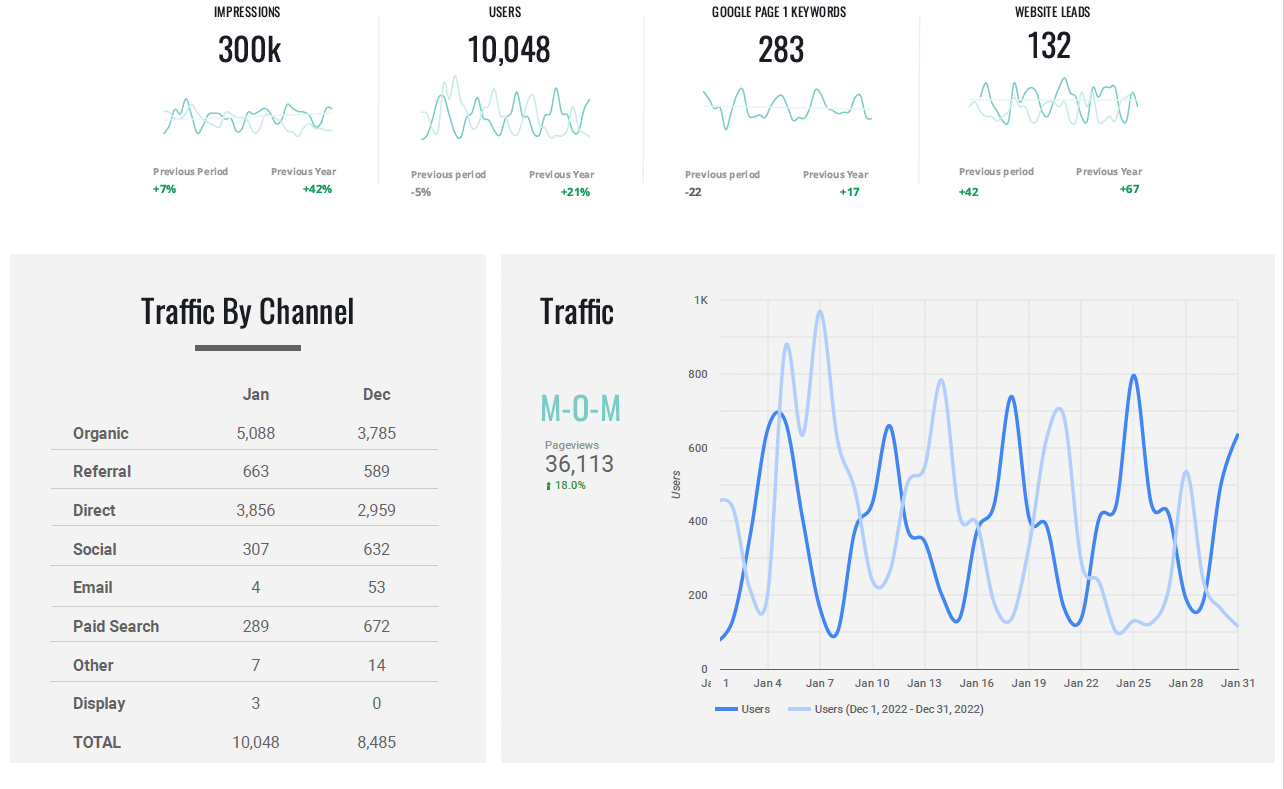
After a website redesign and SEO improvements, Zeon SMI increased organic traffic by 50% year-over-year and saw a 26% rise in engagement. Faster pages and clearer navigation led to more inquiries.
View Case Study
PMi2 Inc.
Designing Digital Excellence with Precision
Following a redesign focused on technical SEO and conversion flow, PMi2 achieved nearly 30% organic traffic growth within 3 months. Lead volume rose by roughly the same amount, while average session duration increased and bounce rate declined.
View Case Study
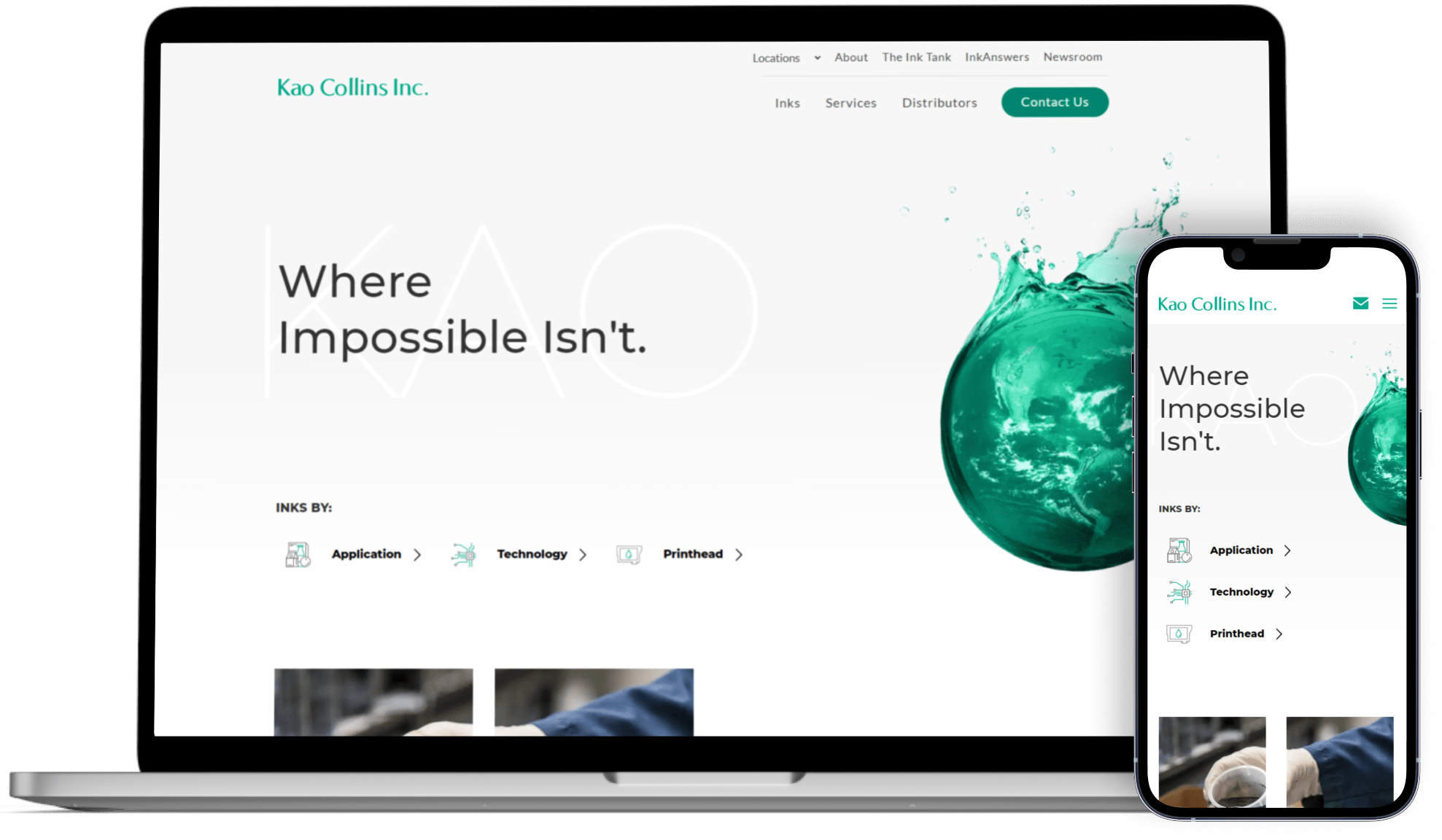
Kao Collins Inc.
Elevating an International Ink Manufacturer
A UX-focused refresh resulted in triple the RFQ submissions. Simplified product pages and an interactive quote tool reduced friction and shortened the path to inquiry.
View Case StudyInvesting in Design Means Investing in Growth
Manufacturing is now digital-first, and the website plays a central role in marketing and sales. Effective web design improves visibility, clarifies complex offerings, and creates smoother paths to inquiry.
A strong site attracts the right traffic, keeps visitors engaged, and turns interest into action. It reinforces credibility, helps sales conversations start further down the funnel, and separates serious suppliers from those that fall behind.
Evaluating your current site is a practical first step. Look for gaps in technical clarity, trust signals, and conversion flow. Working with an industrial web design partner that understands B2B manufacturing can turn the website into a consistent source of qualified leads.
Define The Future
Your website is now a core business system. If it is not performing, it is costing you.
Key Questions Manufacturers Ask About Web Design
In manufacturing, major purchase decisions start online. If your site doesn’t build trust or clearly explain what you offer, potential buyers will move on. Good web design creates a strong first impression, clarifies complex offerings, and drives conversions, leading to more qualified inquiries and sales.
Good design guides users through logical pathways toward conversion. Intuitive navigation helps visitors find products and application information, while clear calls to action encourage them to reach out. A well-designed site also reduces friction, so more visitors become leads rather than drop off.
Key features include detailed product pages with specifications and downloads, an RFQ or contact form, industry or application pages that demonstrate relevant experience, a page explaining your processes or capabilities, and case studies or client success stories. Many industrial sites also include product configurators, CAD file downloads, or a knowledge center.
Web design and SEO are closely linked. A clean site structure, fast performance, and responsive mobile design all improve search rankings, especially for technical and product-focused searches.
Many manufacturers consider a full redesign is wise every 2–4 years as technology, design standards, and buyer expectations change. A refresh may be needed sooner if there are significant shifts in offerings, markets, or business strategy.
Related Posts