18 Min Read
The Marketing Leader’s Dilemma: The Appeal vs. Reality of Pre-Priced SEO
As a marketing leader or business owner, it’s easy to be tempted by pre-priced SEO packages that promise clear deliverables for a low cost. The appeal is obvious, with simple pricing, upfront costs, and the sense that you’re getting a deal on SEO services. It feels like a safe bet, especially when you’re under pressure to boost traffic and increase leads on a tight budget. But remember the old saying. You get what you pay for.
A pre-packaged, one-size-fits-all SEO deal might be as enticing as a frozen pizza; quick, cheap, and convenient, yet it rarely satisfies the way a custom-made meal does. In SEO, strategy defines success, not a sticker price. Choosing a generic package can mean sacrificing the tailored approach your business actually needs.
Companies that opt for rock-bottom SEO deals often find that those “bargains” do more harm than good. Cheap, mass-produced SEO rarely delivers lasting value. It can lead to ineffective tactics or even search engine penalties down the road.
Marketing leaders want results, not a bundle of discounted services. That’s why it pays to question any pre-priced plan that promises significant SEO wins for minimal cost. If an SEO package seems too good to be true, it probably is. Sustainable SEO success comes from a strategy tailored to your business goals, not a cut-rate menu of services.
Request a complimentary audit that includes a review of your top three competitors.
The Pitfalls of Pre-Priced SEO Packages
Pre-priced SEO plans often promise an affordable, turnkey solution, but they tend to fall short for companies with specific needs. Here are some common pitfalls of these one-size-fits-all SEO offerings.
1. One-Size-Fits-All Strategy (Ignoring What Makes You Unique)
Pre-packaged SEO services apply the same formula to every client, and overlook key factors.
- Industry competitiveness. How crowded is your market online?

- Domain authority and site health. Are you starting fresh or recovering from past SEO issues?
- Content depth and technical quality. Do you have strong content and a solid foundation, or are there significant gaps that need to be addressed?
- Geographic or multilingual targeting. Are you aiming to rank locally, nationally, or across multiple languages?
By skipping these details, fixed packages often deliver generic tactics that fail to make an impact. The result is a mismatch between your goals and the work being done. Industry research confirms there’s no one-size-fits-all approach to SEO. A low-cost, mass-produced plan will only yield mediocre outcomes. If a vendor isn’t taking time to learn about your situation, that’s a red flag.
2. Misaligned Metrics
Another pitfall of pre-priced SEO packages is their focus on the wrong metrics. These plans often focus on output metrics instead of the outcome metrics that matter most to your business. You might get five generic blog posts and 50 directory links, but what if none of that brings in a single qualified lead?
Effective SEO isn’t about checking boxes. It’s about driving real outcomes, such as higher organic traffic, better conversion rates, and more marketing- or sales-qualified leads. Tracking outputs without linking them to business objectives usually misses the mark. For instance, pumping out a set number of pages means little if those pages don’t rank or convert.
Pre-set packages often promise a fixed count of keywords or content pieces because those are easy to sell. But they rarely change much in ROI or revenue. A tailored strategy starts with your business goals and plans SEO work that directly supports them.
If an SEO deal claims “#1 rankings for 10 keywords” or offers a bundle of articles without context, pause and ask how those deliverables connect to real results. SEO should be measured by business impact, not activity. Choose agencies that focus on strategy and key performance indicators like ROI or conversion growth. Skip those selling a checklist.
3. Hidden Risks and Shortcuts
Perhaps the most dangerous part of low-cost, pre-priced SEO packages is the corners that get cut. To hit a price point, these providers often rely on risky or outdated tactics.

- Automated link-building through spammy directories or blog networks.
- “Spun” or duplicate content created by scraping other sites or using AI without human review.
- Keyword stuffing and other black-hat methods that might have worked years ago but violate today’s search guidelines.
- Outsourcing to low-quality vendors or inexperienced freelancers who focus on volume over quality
These shortcuts can deliver a short-term boost, but carry serious long-term risks. Google’s algorithms easily detect manipulative tactics and penalize sites that use them. Your site could drop in rankings or even disappear from search results.
Beyond the technical fallout, there’s the impact on your brand. A website filled with thin content or spammy links quickly loses trust. Cheap SEO providers rarely admit to using these tactics, but they’re common when an agency promises fast results for rock-bottom prices. Those “quick wins” seldom last and often leave you worse off than before.
Recovering from a Google penalty or a damaged domain reputation can take months of effort. It costs far more than doing SEO right from the start. Pre-priced packages that seem ultra-affordable often hide those risks. You might save a little today, but you’ll pay for it later in lost traffic or cleanup costs.
Why a Custom SEO Strategy Outperforms Generic Packages

If pre-packaged SEO is about volume, a custom strategy is about precision. Here’s why investing in a tailored approach delivers stronger results.
1. Strategy-Driven, Not Price-Driven
A custom engagement begins with strategy, not a pre-set price tag. Instead of forcing your needs into a fixed plan, a strong SEO partner starts by understanding your business through a detailed discovery and audit process.
Analysis
- Website and technical audit. Reviewing site performance, speed, indexability, and technical health.
- Keyword research and competitor gap analysis. Identifying opportunities by understanding what your audience is searching for and where competitors are winning.
- Analytics and conversion review. Ensuring tracking is in place and analyzing how your site converts visitors into leads or customers.
Only after this discovery phase can an agency create a plan that fits your situation. The scope and pricing align with your actual needs, factoring in competition, current performance, and specific goals.
Any SEO company worth working with will conduct thorough upfront research before recommending a strategy or price. That ensures you’re paying for the right mix of services to achieve results, whether that’s content development, technical improvements, local SEO, or a combination of all three.
2. KPI-Focused and ROI-Based Planning

Customized SEO isn’t about doing more work. It’s about doing the right work and measuring success the right way.
Instead of counting the number of blog posts or backlinks delivered, a strategic SEO plan focuses on key performance indicators tied to business outcomes.
Customized SEO isn’t about doing more work. It’s about doing the right work and measuring success the right way.
Instead of counting the number of blog posts or backlinks delivered, a strategic SEO plan focuses on key performance indicators tied to business outcomes.
Metrics to Consider
- Return on Investment (ROI). Are the increases in organic traffic and conversions generating revenue that exceeds your SEO spend?
- Customer Acquisition Cost (CAC). How does organic search lower your cost per lead or sale compared with other channels?
- Conversion rates and lead quality. Are visitors from SEO converting to MQLs or SQLs at a healthy rate? Is organic traffic attracting the right audience?
- Organic growth (YoY). Are sessions and impressions growing year over year, showing sustained progress?
- Lifetime Value (LTV) impact. Are SEO-acquired customers staying longer and contributing long-term value?
By focusing on these outcome-oriented metrics, a custom strategy keeps everyone accountable to real business results, not vanity metrics. The SEO team uses tools like Google Analytics 4, Google Search Console, and platforms like Semrush, Ahrefs, Moz, and Screaming Frog to monitor performance. They often create custom dashboards so you can clearly see how SEO drives traffic, leads, and sales in your pipeline.
Instead of a generic monthly report that says “we built 20 links and wrote four blogs,” you’ll see how organic search contributes to your goals. For instance, a report might show that organic traffic generated a specific number of demo requests or improved rankings for high-intent keywords, which ultimately led to sales.
This transparency and alignment with business KPIs define a custom SEO partnership. It ensures your SEO investment is judged by the ROI and growth it delivers, just like any other marketing channel.
3. Continuous Optimization and Flexibility

Digital marketing isn’t static, and neither is SEO. Google releases hundreds of algorithm updates annually, alongside constant shifts in user behavior and content trends.
The advantage of a custom SEO strategy is that it evolves with those changes.
When you’re not locked into a fixed set of deliverables, your SEO team can respond to new developments and opportunities in real time.
- Algorithm updates. If Google rolls out a core update that affects your rankings, a custom plan can quickly adjust to address any drops.
- Market trends and seasonality. Your strategy can adapt to new keyword trends or seasonal peaks by ramping up content and optimization when it matters most.
- Content refresh and expansion. As your site grows, a tailored approach includes auditing and refreshing older content, adding new sections, and refining existing pages for stronger results.
- Retargeting and cross-channel integration. SEO doesn’t operate in isolation. A flexible strategy aligns with PPC, social media, and email efforts. For instance, if certain blog posts are drawing traffic, you might feed that insight into email nurturing campaigns or paid campaigns.
Custom SEO is an ongoing process, not a one-time project. Your agency or in-house team should regularly review performance, learn from what’s working, and fine-tune the plan. This agility is important because SEO results build over time through consistent effort.
A pre-priced package that locks you into a checklist can’t adapt when the market shifts. A tailored strategy keeps SEO alive as a dynamic process that evolves and adapts to your business.
The Evolution from SEO to AEO

The search landscape is changing fast with the rise of artificial intelligence. Traditional SEO is now sharing space with AEO (Answer Engine Optimization), as users turn to AI-powered assistants and engines for answers. So what is AEO, and why does it matter when you’re planning your SEO strategy?
What Is AEO and Why It Matters Now
Answer Engine Optimization (AEO) is the process of optimizing your content so it’s visible and cited in AI-driven search results. Think of the answers generated by Google’s new AI-powered Search Generative Experience (SGE), ChatGPT, Bing’s AI chat, or voice assistants.
Instead of competing for a spot on a traditional search results page, AEO focuses on ensuring that your content is the one AI platforms select when delivering a single, synthesized answer. It’s about having your brand featured in the answer itself.
This has become important because user behavior is changing. Generative AI tools now provide direct answers to questions, and many users rely on them for quick information. One report found that one in ten U.S. internet users now turns to generative AI first for online search, while hundreds of millions use ChatGPT weekly for research. Google’s AI-generated answers are also becoming more common, appearing in roughly 16% of desktop searches in the U.S.
Ranking first in Google no longer guarantees visibility. Users may get their answer from an AI summary that blends multiple sources. To stay competitive, your SEO strategy should include AEO practices that make your content easy for AI systems to understand and trust.
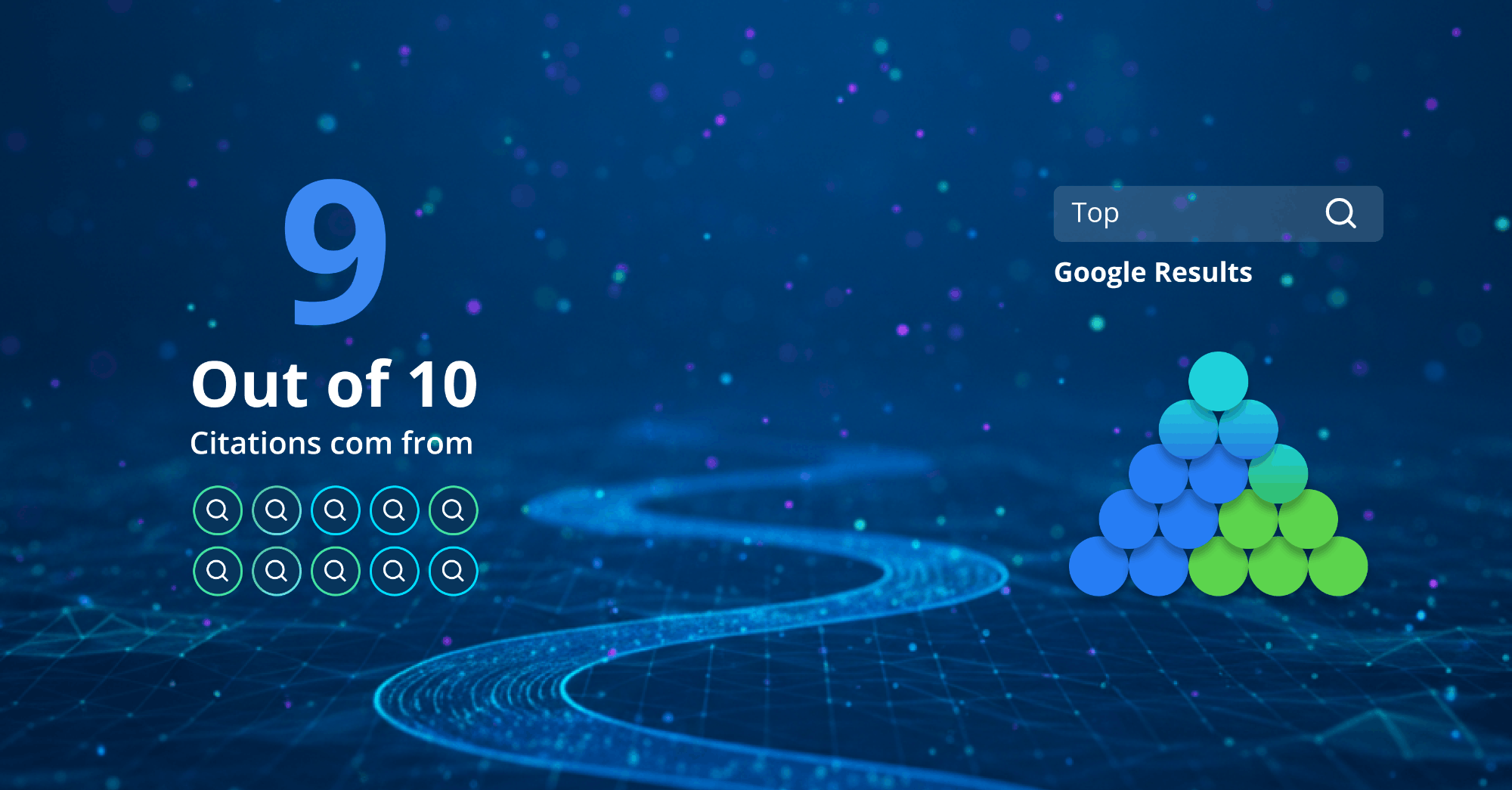
Strong AEO still begins with strong SEO. AI answer engines often pull data from top-ranking pages. In fact, nearly half of Google’s AI citations come from the first ten organic results. If you already perform well in SEO, you’re halfway there. AEO builds on that by making your content more structured, accessible, and authoritative in ways AI favors.
- Structured data and schema. Use schema markup, such as FAQ, HowTo, or Product, to convey information clearly to machines.
- Direct answers in content. Format sections to answer common questions in plain language so AI can easily surface your response.
- E-E-A-T signals. Strengthen Experience, Expertise, Authoritativeness, and Trustworthiness so AI recognizes your site as credible.
- Entity and topic coverage. Cover key topics comprehensively and connect related data to help AI understand context.
Most low-cost, pre-priced SEO packages don’t account for these advanced tactics. They’re focused on hitting deliverables. As AI-driven search grows, being the answer is becoming as important as being in the top 10.
How Custom SEO Supports AEO Readiness
The beauty of a custom SEO strategy is that it can naturally incorporate AEO best practices, preparing your site for both today’s search engines and tomorrow’s AI-driven answer engines. Here are a few examples of what a custom approach can do:
- Add schema and structured data. A tailored plan includes marking up your content with schema where appropriate. This could mean adding FAQ schema to question-and-answer pages, HowTo schema to instructional content, or organization and product schema to e-commerce pages.
- Optimize for featured snippets and voice answers. Custom SEO targets content formats that suit voice search and instant answers, such as concise definitions, bullet-point steps, or tables.
- Entity mapping and topical authority. Instead of chasing random keywords, a strategic SEO plan maps out key entities and topics in your industry and builds authority around them. This might involve creating pillar content and supporting articles that cover a subject in depth. It gradually signals to AI models that your site is a trusted source on that topic.
- Consistent brand voice and credibility (E-E-A-T). Custom strategies also focus on reputation and trust signals. This means including author bios, earning quality backlinks and mentions from authoritative sites, and maintaining a consistent, helpful tone across all content. These factors help AI systems decide if your content is worth citing.
AEO Performance Indicators: New Ways to Measure Visibility
With AEO, success is measured differently. Instead of prioritizing only clicks and rankings, you’re now looking at how visible your brand is within AI-generated answers. Here are some of the performance indicators and questions a forward-thinking SEO team will consider.
- Brand mentions in AI results. Is your brand or content being cited by AI platforms, like being named in a Bard or ChatGPT answer, or listed as a source in Google’s AI overview? This is a new form of ranking where your goal is to be the source that is cited.
- Share of voice in AI answers. If, say, five brands are frequently mentioned by AI assistants for queries in your niche, what percentage of those mentions belong to you? Increasing that share is a key AEO objective.
- Traffic and engagement from AI referrals. While many AI answers don’t yet drive clicks like traditional search results, some do include links or prompt users to explore sources. Tracking referral traffic from AI platforms helps show if your AEO optimizations are paying off.
- Conversational search engagement. Are users asking voice assistants or AI follow-up questions that include your brand? For example, if someone asks, “Who offers the best [your service]?”, does it mention you? Measuring this often requires new tools, but it’s becoming part of the evolving KPI set.
Specialized tools are emerging to track these metrics. Some now monitor how often a brand is mentioned across major AI engines and even attempt to quantify “AI visibility.” One agency notes that AEO monitoring involves tracking brand mentions and sentiment across AI platforms, since success means becoming the authoritative source AI engines cite, regardless of clicks.
Even if a user doesn’t visit your site, being the source of truth in an AI-delivered answer is a win. It builds credibility and awareness.
It’s still early days for AEO metrics, but marketing leaders should start asking their SEO partners how they plan to adapt and measure success in this new environment. If a provider can’t answer that, they’re behind the curve. A custom SEO strategy will continue tracking core KPIs like rankings and traffic while monitoring these new indicators to keep your brand visible as search technology evolves.
How to Evaluate an SEO Partner Beyond Price
Given all these factors, how do you choose the right SEO agency or partner? If pre-priced packages are off the table, what should you look for in a custom SEO provider?
Here’s how to make sure you’re selecting a strategic, results-driven agency, not just the cheapest option.
Key Questions to Ask a Prospective SEO Agency
- “What is your process for audits and strategy development?”
A good agency should clearly explain how it evaluates a client’s site and market before proceeding with execution. Be cautious of anyone who immediately starts selling keywords and links without conducting a discovery phase.

- “Which tools and data sources do you use for tracking success?”
Look for mention of industry-standard platforms like GA4, Google Search Console, Ahrefs or Semrush, and how they report on key metrics. You want a data-driven team that values transparency.
- “How do you connect SEO performance to lead generation and revenue?”
The best agencies demonstrate how their work directly ties to business outcomes. If they only talk about rankings or traffic, that’s a warning sign.
- “Can your strategy scale as my business evolves?"
Your needs today may look different a year from now. Ask how the agency adapts strategies for growth, new products, or international SEO. A solid partner will discuss long-term planning, not just short-term wins.
What to Look For in an SEO Partner (Beyond the Price Tag)
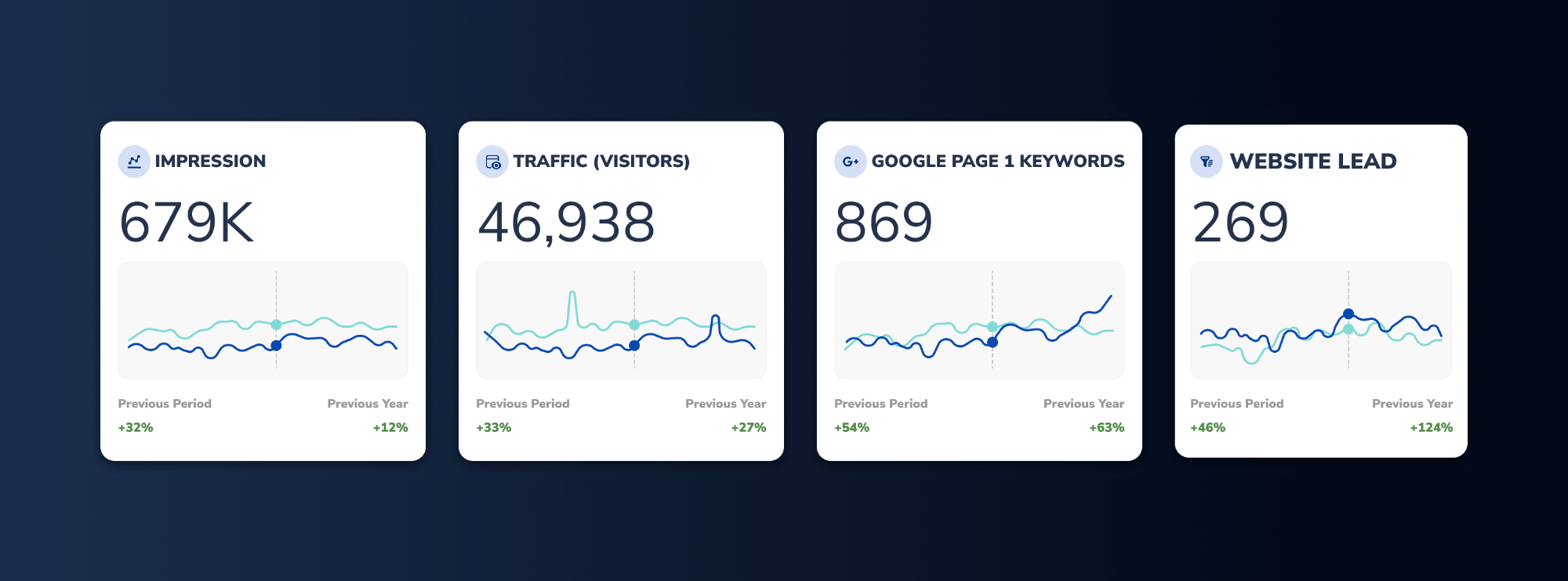
- Transparency in execution. You should know what work is being done and why. Reputable agencies provide regular updates or access to project dashboards. They don’t hide behind jargon or refuse to share performance data.
- Custom reporting and consulting. Instead of cookie-cutter reports, a strong agency tailors reporting to your goals and explains the results. They act as consultants, translating SEO metrics into plain English and turning them into actionable insights for your business.
- In-house expertise and a dedicated team. Find out who will actually be working on your account. Choose agencies with experienced SEO strategists, content specialists, and technical experts in-house. If everything is outsourced to unknown freelancers or the team seems too junior, quality may suffer.
- Adaptability to new trends. As the search landscape evolves, gauge whether the agency keeps pace. Do they mention staying current with Google updates, voice search, or AI integration? An agency that stays ahead of change ensures your strategy remains effective as technology shifts.
Trust your instincts. The right SEO partner will feel like a collaborator invested in your success, not just a vendor selling a service. They’ll ask questions about your business and goals, and educate you along the way. If you encounter high-pressure sales tactics, vague answers, or one-size-fits-all pitches, question them.
SEO done well isn’t a cheap commodity. It’s a strategic investment, and a great agency will make that investment pay off through a true partnership.
Invest in Strategy, Not a Price Tag
Pre-priced SEO packages may offer predictability and a low upfront cost, but they often come with hidden costs, including weak performance, generic tactics, and missed opportunities. On the other hand, investing in a custom strategy means investing in adaptability, long-term ROI, and readiness for AI-driven search. The choice is simple: do you want a list of services, or real results?
By choosing a tailored approach, you’re building an SEO foundation that grows with your business. Custom SEO can scale, target new markets, and refine itself continuously, while fixed packages tend to stagnate. And as search evolves through new algorithms and AI answer engines, a bespoke strategy ensures you won’t be left behind using last year’s tactics.
Don’t settle for cookie-cutter SEO when you can have a strategy made from scratch. Your business deserves more than a pre-packaged plan. It deserves a partner who crafts a strategy as dynamic and unique as your company.
Ready to move beyond the one-size-fits-all approach?
We’re here to help.
Let’s design a campaign that meets your goals and delivers measurable ROI.
FAQs
Pre-priced packages offer fixed services at a set cost, usually aimed at a broad audience. Custom-priced packages are tailored to your business goals, competition, and website needs, so you pay only for strategies that deliver real results.
Pre-priced packages often use a one-size-fits-all approach, focusing on generic keywords or automation. If your industry or audience is distinct, these packages can deliver weak or even harmful results.
Custom SEO aligns with measurable business objectives, like qualified traffic, leads, and conversions. By targeting what matters most and optimizing continuously, you gain sustainable results instead of short-term spikes.
Not necessarily. While the upfront costs can be higher, custom SEO focuses on outcomes that matter. Over time, ROI is stronger because you’re investing in what your business truly needs, not wasting effort on generic tactics.
Look for agencies that prioritize strategy over fixed services. Ask about their audit process, KPI tracking, content and backlink quality, and flexibility in adapting to your needs. A reliable agency will provide transparency, measurable results, and a plan built around your business goals.
Related Posts