 18 Min Read
How to Choose the Right B2B Content Marketing Agency
Your marketing goals are ambitious, but your in-house team is stretched thin. You might have a great product and plenty of ideas, but executing a full content strategy takes time and specialized expertise. That’s when the right content marketing agency becomes your growth partner.
Content marketing influences nearly every B2B buyer today. In fact, 91% of B2B marketers use content marketing. With the rising complexity of SEO, answer engine optimization (AEO) for voice search, AI-driven content, and analytics, you need an agency that can manage it all and deliver measurable results.
This guide outlines the key criteria and a quick checklist to help you evaluate potential agencies. By the end, you’ll know what to ask and which red flags to watch for.

Does the Agency Understand Your Business and Industry?

An agency familiar with manufacturing, technology, healthcare, or other complex sectors will understand technical nuances, compliance requirements, and buyer behavior. They can turn technical expertise into clear, human-centered stories that connect with your audience.
Be cautious of one-size-fits-all providers. Red flags include agencies that propose generic plans without discussing your target audience or demonstrating limited understanding of your industry’s terminology and trends. If they don’t ask about your products, competitors, and customers, they’re unlikely to create authentic content for your brand.
Checklist: Ensuring Industry Expertise
- Ask for examples of campaigns in your industry or a comparable sector.
- Review their blog and website. Are they publishing insights that reflect your challenges?
- Confirm they’re aware of regulations or technical details that affect your content.
- Look for vertical experience. Agencies with cross-industry work can adapt content for different audiences.
Note: A good agency will mention specific pain points or past projects during early conversations. If they speak your language and get your market, that’s a strong sign.
How Do They Build and Measure a Content Strategy?

Strategy comes before content. The agency should start by understanding your goals and researching your audience.
A strategy-first approach involves using data and tools to perform SEO research, identify the questions your buyers are asking, map content to different stages of the sales process, and develop buyer personas. Only then should they propose a content calendar.
Ask how the agency defines success and measures performance. In B2B, content is only as strong as the results it drives. The right agency will be fluent in metrics such as marketing-qualified leads (MQLs), organic traffic growth, engagement rates, conversion rates, and return on investment (ROI). They should set key performance indicators (KPIs) early and report on them regularly. If an agency only talks about producing articles but not how those articles generate leads or revenue, that’s a warning sign.
Key Things to Look For
- Data-Backed Planning: Ask how the agency chooses topics. Do they conduct keyword research and competitor analysis?
- Defined Process and Tools: They should mention content briefs or strategy documents, and tools like Google Analytics 4 (GA4), Search Console, or CRM insights.
- Performance Metrics: Ensure they discuss measurable KPIs. For example, they might say, “We aim to increase your organic traffic by 20% and your lead conversions by 15% within six months.”
- Continuous Improvement: Content marketing isn’t a one-time effort. Ask how they adjust the strategy based on results. Do they offer monthly or quarterly reviews? Will they update content or test new formats if something underperforms?
Tip: Ask how they align analytics with your goals. Their answer should show they care about performance as much as creative execution.
What Is Their Content Creation and Review Process?
Great content doesn’t happen by accident. It requires a clear, reliable process. When evaluating a B2B content marketing agency, ensure they can clearly explain their process for creating, reviewing, and optimizing content. This shows their operational consistency and transparency.

Ask who will actually create the content. Do they have in-house writers experienced in B2B topics, or do they work with a stable group of freelancers? Both models can work, but you want confidence that their writers understand your subject matter and brand voice.
Next, review their editorial process. A professional agency should follow an editorial calendar, use keyword maps to guide SEO targets, and have a structured editing and approval workflow. You should know what happens at each stage.
Consistency is essential. Their process should ensure every piece of content aligns with your brand tone and messaging guidelines. They should also integrate SEO best practices from the start of content creation.
Research and Strategy
Understand the client’s audience and goals, perform keyword research, and outline content topics or briefs for approval.
Content Creation
Writers produce the content, often collaborating with subject matter experts to ensure technical accuracy.
Review and Optimization
Editors refine the piece for clarity, tone, and accuracy while SEO specialists optimize keywords, headings, alt text, and internal links.
Publishing and Follow-Up
The agency publishes the content on agreed platforms, monitors performance, and shares reports or insights. They may recommend updates or next steps based on results.
This structured approach means you’ll always know where projects stand. It also helps maintain quality as output increases.
Questions to Ask About the Process
- Can they show you a sample editorial calendar or project timeline?
- How do revisions and approvals work?
- What tools or platforms do they use for collaboration?
- How do they maintain tone and voice consistency?
- Do they include design or multimedia? If you need graphics, infographics, or video, can they handle that?
Transparency here is essential. If an agency can’t clearly describe its content production process or says, “Don’t worry, we’ll handle it” without providing details, that should give you pause. You want reliability and accountability at every stage.
How Do They Integrate SEO, Analytics, and Continuous Improvement?
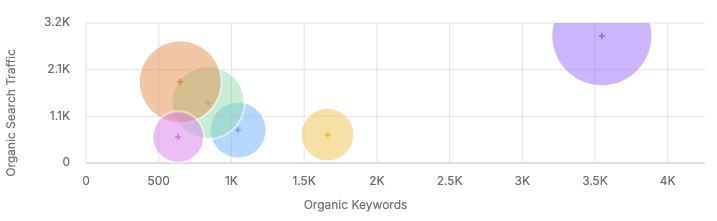
The best content marketing agencies know that creating the content is only half the work. The other half is making sure that content reaches the right audience and improves continually through data. Before partnering with an agency, find out how they handle the technical and analytical side of content marketing.
SEO Integration
Content and SEO should go hand in hand. Ask if the agency conducts regular SEO audits of your site and content. A good agency will address technical issues that may affect performance. They should also be skilled in on-page SEO practices, such as internal linking, meta descriptions, header structure, and schema markup. Some agencies include SEO specialists within the content team, so every piece is optimized from the start.
Analytics and Reporting
It’s essential to know how the agency measures performance over time. Will they provide monthly analytics reports? What tools do they use? Make sure they plan to track metrics that matter to your goals, whether that’s lead volume, conversion rates, or engagement metrics. Look for a willingness to set up conversion tracking so you can see tangible ROI.
Continuous Improvement
Digital marketing is never static. The agency should emphasize learning and adjusting as data comes in. This could involve updating older blog posts to improve rankings, testing various headlines or calls to action, and regularly refining the content strategy. They should be proactive in suggesting improvements and stay engaged after content is published.
Discuss These Topics
Keyword Strategy
How do they identify high-value keywords and topics that align with buyer intent? A capable agency will analyze search volume, difficulty, and relevance, and may reference long-tail keywords that indicate strong intent.
What to ask: “Can you walk me through your keyword research process for our industry?”
Content Performance Tracking
What metrics do they report on regularly, and how do they interpret them? They should mention organic traffic growth, click-through rates from search, time on page, conversion events, and attribution.
What to ask: “Which performance metrics will you share with us each month, and how will you connect them to our business goals?”
Technical SEO and Site Health
Do they monitor technical factors that affect content visibility, such as site speed or Core Web Vitals? Ignoring these details limits ranking potential.
What to ask: “Do you monitor technical SEO checks or track Core Web Vitals and Lighthouse scores for our site?”
Agency Evaluation Metrics – Why They Matter
| Agency Evaluation Metric | Why It Matters | What to Ask |
|---|---|---|
| Keyword Strategy | Aligns content with buyer intent | “How do you identify high-value keywords?” |
| Analytics Review | Measures ROI | “What metrics do you report monthly?” |
| Technical SEO | Supports performance | “Do you track Lighthouse or Core Web Vitals?” |
Want to explore the technical side further? Read our guide on understanding SEO metrics in Google Lighthouse to see how site performance affects content success.
7 Mistakes to Avoid When Choosing a Content Marketing Agency

Choosing a content marketing agency is a significant decision, and minor errors can lead to the wrong partnership. Here are seven pitfalls to avoid:
Mistake 1. Choosing Based on Price Alone
Basing your decision purely on the lowest bid is risky. Budgets matter, but you get what you pay for. An inexpensive agency might lack strategic depth, rely on junior talent, or skip critical steps like analytics and editing.
Instead of focusing only on hourly rates or retainers, evaluate the value and ROI an agency can provide against your own goals. A slightly higher investment in a skilled, strategic team often pays off through stronger results and higher-quality content marketing.
Consider whether a bargain agency can truly deliver thought leadership content that matches the sophistication of your industry and audience, and how they will hold themselves accountable to measurable outcomes.
Mistake 2. Ignoring Industry Expertise
Industry context can make or break a content strategy, and the marketing campaigns that depend on it. If you choose a generalist agency that doesn’t understand your field, their output may miss the mark.
It’s not a requirement that an agency have experience working in your exact niche, but they should show the ability to grasp the nuances of your industry sector or business offerings quickly.
Look for signs of familiarity with your buyer personas and technical language in early discussions to assess the agency's grasp of your market position and content strategy.
Mistake 3. Overlooking Measurement and Accountability
Some agencies impress with creative ideas and visuals, but go silent when it’s time to show results. If an agency isn’t focused on how success is measured, that’s a concern. You should expect regular reporting and open conversations about performance.
Avoid partners that are reluctant to set targets or share data. A reliable agency provides clear dashboards, meaningful reporting, and summarized regular updates for KPIs like traffic, engagement, and lead generation, and is comfortable being held accountable for outcomes.
Mistake 4. Not Aligning on Strategy Before Content Creation
Jumping straight into content production without a unified plan leads to fragmented results. One common mistake is hiring an agency without first establishing a strategic roadmap. Premature execution often leads to inconsistent messaging and content that doesn’t fully align with your marketing goals.
Make sure any agency you choose insists on a kickoff strategy phase. This might include a content audit, strategy workshop, or goal-setting session before production begins.
Mistake 5. Neglecting SEO and AEO Integration
Content that isn’t optimized for search is invisible. Similarly, ignoring the need for Answer Engine Optimization (AEO) also leads to missed opportunities in voice search results and AI-driven search results. Many assume every content agency manages SEO automatically, but not all of them do.
If an agency doesn’t discuss how they will optimize your content for search engines, voice assistants, and AI tools, that’s a significant gap in your inbound strategy that limits the value of their content on the web.
Mistake 6. Overlooking Collaboration and Cultural Fit
A content marketing agency should act as an extension of your team. Overlooking the human factor leads to frustration later.
During the vetting process, notice how the agency communicates. Are they responsive? Organized? Interested in your project?
Also assess values and work style. If your company moves quickly, you’ll want an agency that’s flexible and proactive. A good cultural fit means they listen to your input and add value through their expertise.
Mistake 7. Forgetting to Re-Evaluate and Evolve
Selecting an agency isn’t a one-time task. Over time, your business may change or require new capabilities.
A frequent issue is failing to review performance regularly. Schedule quarterly or biannual reviews to compare results with goals and refresh your strategy.
Don’t hesitate to raise new needs. A capable agency welcomes feedback and adapts. If they appear stagnant or uninterested in improving, you may have outgrown them.
The Bottom Line
Every marketing manager wants confidence when choosing a content marketing agency. Following these tips and avoiding the pitfalls helps you find a strategic content partner that understands your needs, delivers measurable results, communicates well, and grows with your business.
DBS Interactive uses a strategic, data-driven approach to B2B content marketing, aligning content with business objectives and applying analytics throughout the process. This includes refining tactics as performance trends become clear and adjusting the approach to improve outcomes.
Connect with our team to discuss your goals and review your requirements for a content marketing partner.
FAQs
Content marketing is a long-term strategy. You can expect to see early indicators of progress within the first 3 to 6 months.
Budgets vary based on scope, industry, and region. For a comprehensive B2B content marketing program, many companies invest from a few thousand to tens of thousands of dollars per month.
It depends on your needs. A full-service marketing agency offers content creation along with SEO, design, social media, PPC, and web development. This can be beneficial if you need an integrated approach. A content-focused agency specializes in strategy and writing, which may suit you if you already have in-house support for other areas.
Start by setting clear goals. Once you define success, you can track metrics such as lead generation, conversion rates, engagement, and SEO performance.
A good agency helps set up analytics and reporting to measure these outcomes. They may provide a monthly dashboard showing conversions and KPIs. Over time, ROI often grows as older content continues attracting traffic and leads.
SEO ensures your content is visible. Content marketing ensures it’s engaging enough to drive action. A strong agency treats SEO as part of the content strategy. When evaluating agencies, look for this integrated approach.
Related Posts