B2B Healthcare Marketing Trends for 2026
What’s Driving Growth, Trust, and Smarter Engagement
 11 Min Read
Healthcare Marketing Is Changing Fast
B2B healthcare marketers are navigating one of the most complex and rapidly changing eras in modern marketing. The global healthcare market is projected to surpass $12 trillion by 2026, with healthcare technology, life sciences, and digital health driving growth.
Despite this explosive growth, decision cycles remain long, compliance rules are rigid, and audiences, from clinicians to procurement teams, are harder than ever to reach.
The challenge isn’t doing more marketing, but doing it smarter, more targeted, and regulation-aware. The future of B2B healthcare marketing belongs to those who combine data precision with human-centered storytelling, ethical personalization, and technology-powered insights.
“Honestly, healthcare marketing isn’t getting harder—it’s just getting more human. The trick is knowing which humans you’re actually talking to.”
~ Steve Fowler, Client Marketing Director, DBS Interactive, a Louisville-based web design and digital marketing agency.
Based on current data and forward-looking practices, here are six B2B healthcare marketing trends shaping 2026, and how healthcare brands, from medtech startups to CROs, can apply them.
Trend 1: Account-Based and Targeted Marketing (ABM) Becomes the Default Strategy
In 2026, ABM is no longer an experiment. It's the foundation of B2B healthcare marketing. With long sales cycles, multiple decision-makers, and highly specialized offerings, mass marketing doesn’t work.
Marketers are instead investing in precision outreach that focuses on specific organizations, personas, and buying committees.
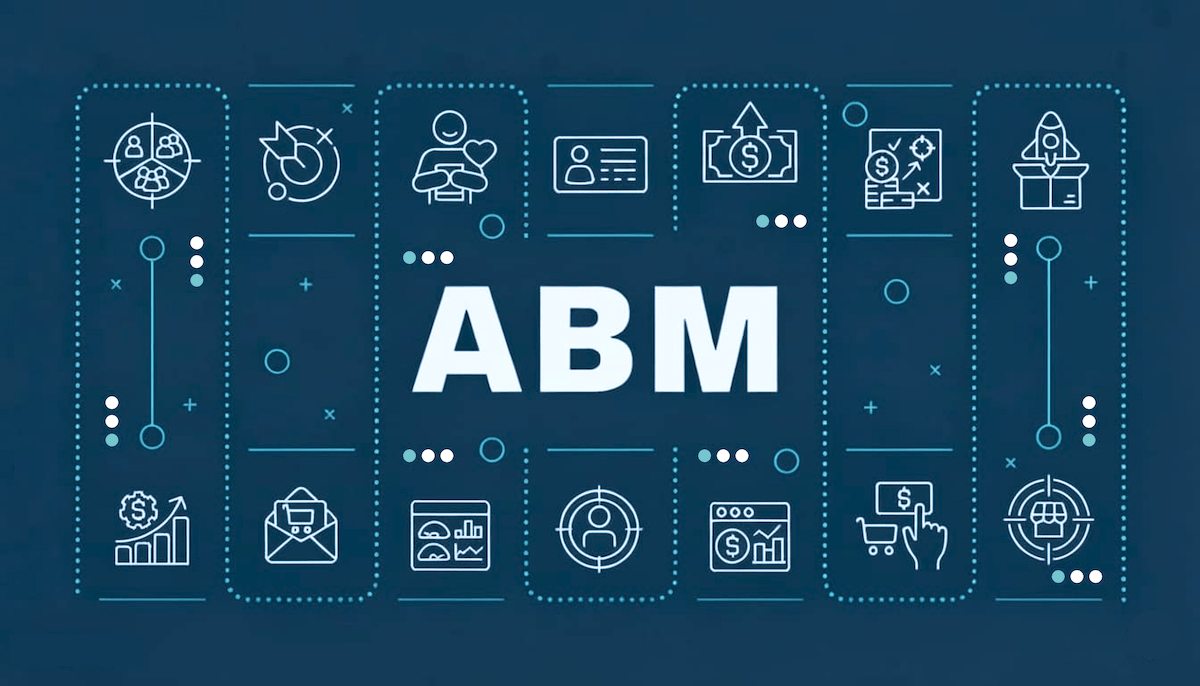
ABM has evolved from pilot to performance imperative in B2B sectors, and healthcare is no exception.
Research shows ABM can increase overall pipeline conversion rates and significantly boost marketing-qualified leads to sales-accepted lead conversion (MQL-to-SAL), with many organizations reporting double-digit lifts in engagement and conversion after rolling out mature ABM programs.
Healthcare buyers, who typically involve multi-stakeholder committees, respond best to account-level, role-specific messaging that maps to clinical, IT, and procurement priorities. That's why ABM is now a top channel for efficient enterprise growth in regulated markets.
Why It Matters
- Healthcare organizations are overwhelmed with generic pitches. ABM cuts through the noise with relevance.
- It enables coordinated sales and marketing alignment, which is critical when targeting C-suite executives in health systems, payers, or biotech firms.
- It drives higher ROI, with personalized campaigns often delivering 20–30 percent better engagement rates compared to broad campaigns.
How to Apply It
- Build ideal customer profiles (ICPs) using firmographic and behavioral data.
- Map content and messaging to each stage of the healthcare buyer journey.
- Use platforms like HubSpot or 6sense to orchestrate multi-channel, account-driven campaigns.
Trend 2: Trust and Thought Leadership Are the New Currency
Trust is the currency of healthcare, and high-quality thought leadership directly influences procurement and clinical decision-makers. In an industry where every message is scrutinized and every claim must pass compliance, trust becomes the strongest differentiator.

B2B healthcare audiences, from clinicians to hospital administrators and biotech investors, expect more than polished marketing. They expect authority, evidence, and empathy.
Studies show that well-executed thought leadership drives measurable business outcomes, influencing vendor shortlists, shortening evaluation cycles, and increasing the likelihood of purchase, especially during periods of economic uncertainty.
For healthcare brands, content that demonstrates clinical evidence, peer validation, and policy understanding builds search authority (E-E-A-T) and improves conversion at later funnel stages where clinical validation is required.
Why It Matters
- The Edelman Trust Barometer lists healthcare as one of the most scrutinized sectors globally.
- Buyers favor brands that educate, not sell, particularly when navigating complex medical, ethical, or technical topics.
- Thought leadership builds credibility with KOLs (key opinion leaders), clinicians, and policymakers.
How to Apply It
- Publish credible insights, white papers, and peer-informed content.
- Invest in webinars, LinkedIn publishing, and conference participation that highlight leadership in innovation, ethics, and patient outcomes.
- Partner with healthcare associations and journals for co-authored thought pieces.
Trend 3: Enhanced Use of Analytics for Smarter Decision-Making
Marketing analytics in 2026 isn’t about collecting more data. It's about connecting data to decisions. Teams that integrate CRM, marketing automation, and predictive analytics can identify buying signals earlier and forecast pipeline conversion more accurately.

Recent studies on marketing attribution and analytics show that organizations using unified attribution models and predictive dashboards significantly improve budget efficiency and can demonstrate direct campaign influence on pipeline and revenue.
That transparency is essential for CMOs who must justify spending to clinical and financial stakeholders.
From predictive lead scoring to content performance dashboards, analytics tools now enable marketers to link campaigns directly to pipeline metrics and conversion outcomes.
Why It Matters
- Marketers can now track how clinical professionals engage with specific touchpoints.
- Data-driven insights help optimize budgets and improve messaging precision.
- Real-time dashboards connect marketing ROI to the actual buyer journey.
How to Apply It
- Integrate CRM and marketing automation systems for unified analytics.
- Use attribution models to understand which channels drive meaningful engagement.
- Layer demographic data with behavioral insights for more predictive targeting.
Trend 4: Automation and Smart Campaigns with AI-Powered Personalization
Artificial Intelligence is reshaping how healthcare marketers communicate, making personalization at scale achievable. AI-powered automation allows B2B healthcare brands to deliver context-aware messaging, tailor nurture flows, and predict when prospects are ready to engage.

AI-driven personalization is producing measurable commercial results. Companies using AI personalization report higher engagement and conversion, in some studies up to 1.5–1.7 times lift in conversion and notable reductions in churn.
When AI tailors messages, timing, and offers to specific roles or accounts, performance improves across the funnel.
In healthcare B2B, where personalization must remain privacy-aware and evidence-based, the winning approach pairs secure AI models with compliance-first data practices. That balance ensures personalized journeys can scale without increasing regulatory risk.
Why It Matters
- AI tools enhance targeting while ensuring compliance by adapting content to audience needs.
- Predictive analytics identifies when and how decision-makers prefer to engage.
- Personalized messaging strengthens engagement and trust across regulated channels.
How to Apply It
- Use AI to optimize email cadences and landing page content.
- Deploy chatbots for round-the-clock engagement and prequalification.
- Train machine learning models to recognize buying signals within healthcare organizations.
Trend 5: Channel Innovation and Micro-Experiences
Attention is fragmenting, and short-form, interactive content now dominates consumption patterns. In 2025, short-form video accounted for most internet traffic and continues to outperform long-form formats for initial engagement.
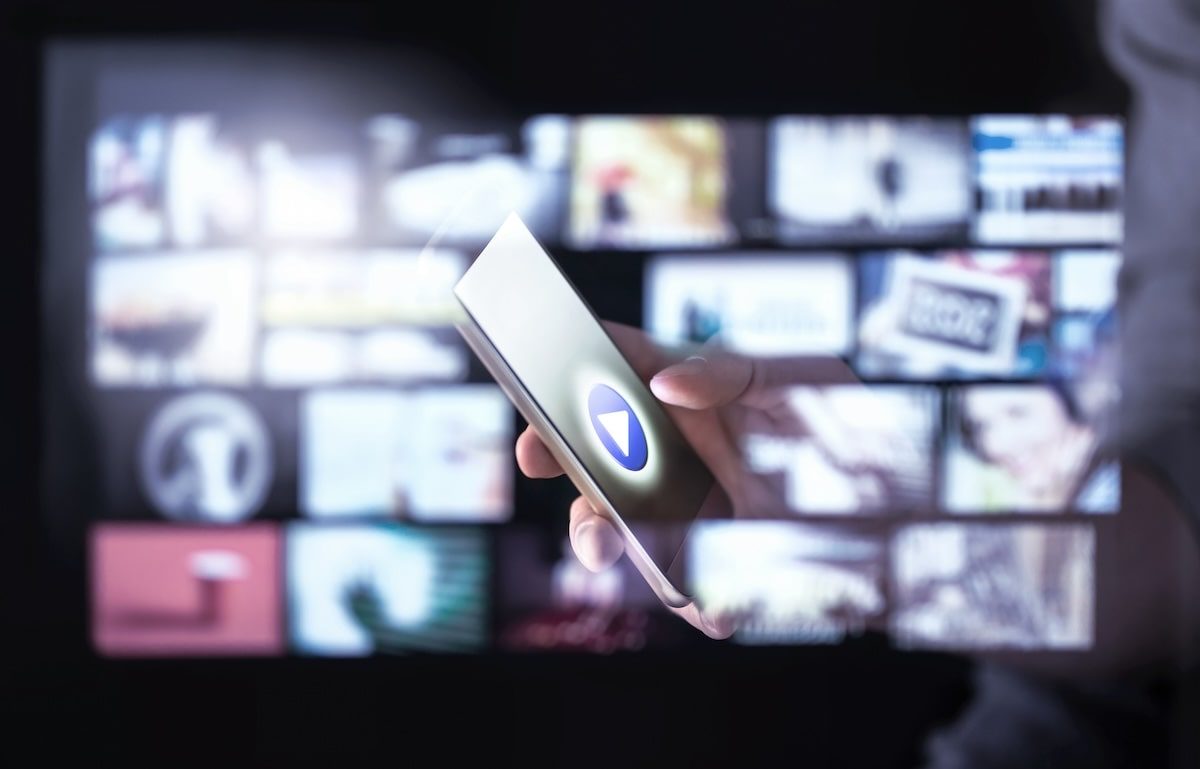
For complex healthcare solutions, micro-experiences, such as expert video clips, interactive ROI calculators, vertical-specific microsites, and augmented reality device demos (AR), increase engagement, improve recall, and convert better when paired with ABM and thought leadership.
Immersive, bite-sized formats are proving to be the most effective way to reach busy clinicians and administrators during their limited decision windows. By 2026, channel diversity will define B2B healthcare marketing success.
Traditional digital platforms like email, LinkedIn, and webinars are evolving into multi-sensory, interactive experiences that engage niche healthcare audiences more deeply.
Why It Matters
- Healthcare professionals and administrators are consuming more short-form and interactive content.
- Event fatigue and information overload are driving demand for micro-learning experiences that are useful and relevant.
- Hybrid marketing, combining digital and in-person engagement, is redefining how brands connect through conferences, demos, and virtual product showcases.
How to Apply It
- Use interactive videos, clinical simulation demos, and micro-webinars.
- Combine event marketing with virtual or augmented product tours.
- Focus on omnichannel continuity to ensure your brand story stays consistent from website to sales enablement.
Trend 6: Data Privacy, Ethics, and Human-Centered Compliance
Healthcare marketing now operates under strict data governance standards, including HIPAA, GDPR, and HITECH. Ethical marketing and compliance by design are no longer optional. They are competitive advantages. Privacy and compliance have shifted from risk mitigation to strategic differentiation.

With global privacy laws and healthcare-specific governance tightening, buyers increasingly vet vendors on their data practices and transparency. Brands that demonstrate privacy by design earn trust faster.
Industry research shows that organizations emphasizing consent, auditability, and clear data governance reduce go-to-contract friction and face fewer post-sale compliance issues. This turns compliance into a competitive advantage rather than a checkbox.
Why It Matters
- Patients and professionals expect transparency about data usage.
- Regulators are tightening rules governing medical claims, cookies, and digital data handling.
- Brands that demonstrate ethical leadership build stronger, longer-term trust with stakeholders.
How to Apply It
- Build consent-based data systems and privacy-first lead-capture strategies.
- Train marketing teams on healthcare compliance standards.
- Position your brand as ethically proactive, not just compliant.
From Quantity to Quality and Compliance
The most successful B2B healthcare marketing strategies in 2026 will be more focused, more intelligent, and more ethical. The shift is clear, from quantity to quality, from reach to resonance, and from compliance obligation to compliance advantage.
“Maybe compliance isn’t the constraint. It’s the compass,” Fowler said.
Now is the time to audit your marketing strategy against these six trends.
Ask Yourself
- Are campaigns targeting the right accounts?
- Are you earning trust, using analytics, and communicating ethically at scale?
If not, it’s time to evolve your marketing approach.
Healthcare brands aiming to build trust, foster meaningful engagement, and grow sustainably through 2026 and beyond often turn to agencies like DBS Interactive, where strategy, science, creativity, and compliance work together to support long-term impact.
Related Posts