Is integration seamless?
ERP, CRM, and PIM systems must stay in sync to avoid manual work.
Delays in modernizing B2B commerce create friction for buyers and inefficiencies for internal teams. Competitors move faster, capture demand earlier, and strengthen distributor relationships while disconnected systems slow execution. The right e-commerce platform keeps operations aligned and growth on track.
Clients facing stalled growth, disconnected systems, and shifting buyer expectations came to us for platforms that simplify operations and create measurable results.
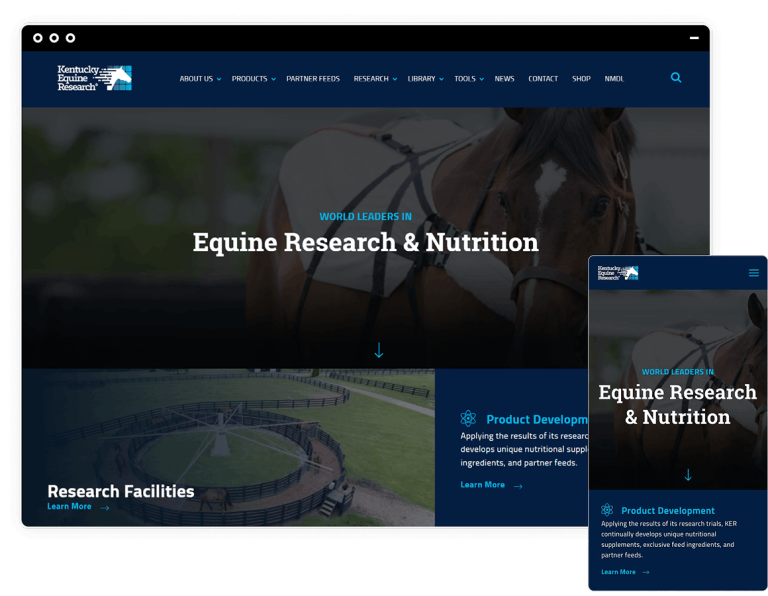
Geo‑specific product displays, dynamic content, and advanced search created a single global site that expanded reach and streamlined operations.
View This Project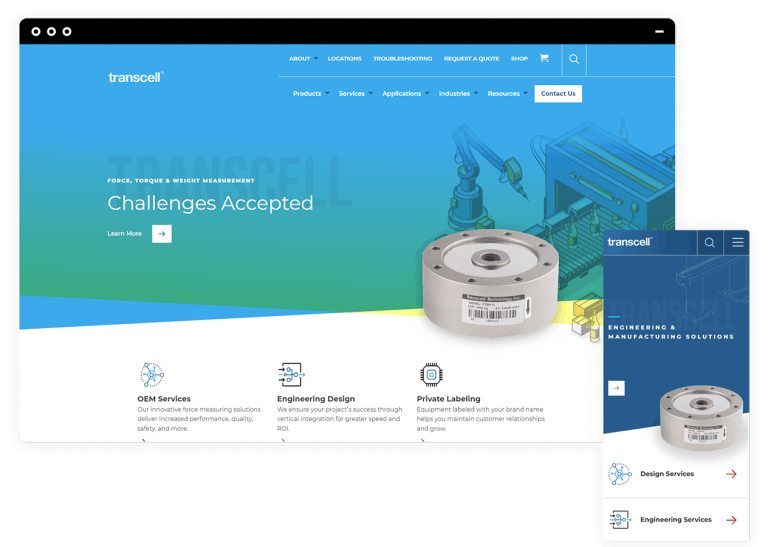
Website redesign with WordPress and e‑commerce created a scalable hub for sales, with SEO driving organic growth and new audiences.
View This Project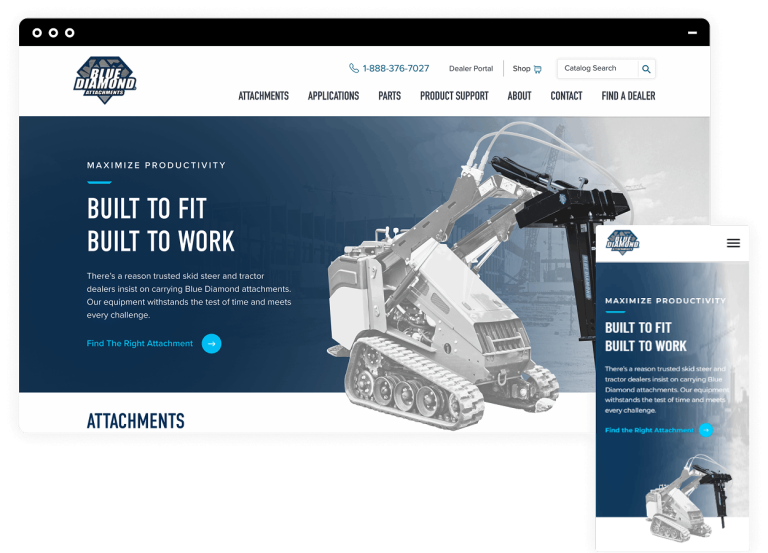
Digital presence rebuilt with scalable Craft CMS, integrated dealer portal, and advanced SEO, elevating brand identity, increasing search visibility, and streamlining e‑commerce growth.
View This ProjectMany teams start with the same assumption: they need a better e‑commerce site. Progress comes from asking the right operational questions.
Is integration seamless?
ERP, CRM, and PIM systems must stay in sync to avoid manual work.
Who owns governance?
Clear ownership of pricing, product data, and workflows prevents delays.
How have buyers changed?
Self-service tools, mobile UX, and real-time inventory are now expected.
How do channels work together?
Platforms must support sales reps and distributors without conflict.
How is success measured?
Dashboards should track lead quality, engagement, and lifetime value.
Is the platform ready to scale?
Disconnected systems and unclear roles limit growth before it starts.
Buyers expect fast, reliable experiences. Long-term success also depends on integration, governance, accessibility, and flexibility across every channel.
 Dealer and distributor portals for segmented access
 ERP, CRM, and PIM integration for consistent data flow
 Mobile‑responsive PWAs for future‑ready experiences
 WCAG 2.1 AA compliance for accessible design
 Role-based permissions for secure collaboration
 Streamlined product updates and training for long‑term agility
Choosing the right e-commerce platform can be a complex process. We help you evaluate options, align technology with business goals, and build with confidence so the platform supports your operations, not the other way around.

Large catalogs with advanced customization needs

WordPress-based sites requiring flexible plugins

Content-first sites with custom workflows

Flat-file CMS focused on speed and security

Rapid deployment with global scalability

Native B2B features with headless flexibility

Enterprise-grade personalization and CRM integration

Enterprise scale with advanced integrations
Launching a B2B commerce platform creates momentum. Sustained growth comes from visibility. We position your brand on search engines, paid channels, and AI discovery platforms, including Copilot and ChatGPT, so buyers discover you throughout their non-linear journey.

B2B marketing strategy to reach decision-makers

SEO for engineers, specifiers, and procurement teams

Multi-site and multi-language architecture for global expansion

PPC and digital advertising focused on efficiency and intent

Custom analytics aligned with business outcomes

Full-service hosting and maintenance for performance and security
B2B e-commerce relies on complex system integrations, role‑based pricing, account-level permissions, and personalized buying experiences. B2C platforms focus more on standard catalog and checkout flows.
Integration ensures that product data, pricing, and inventory remain accurate across all systems. Without it, teams spend time on manual updates, mistakes increase, and buyers lose trust.
When ownership of pricing, product data, and workflows is clear, updates happen quickly, and delays are avoided. Governance ensures that the right people are accountable and that buyers receive reliable information.
Buyers now expect to place orders themselves, use mobile devices easily, view real-time inventory, and receive pricing tailored to their account. They want the same speed and convenience they’re used to in retail consumer shopping, applied to business needs.
Strong platforms bring direct sales, distributor portals, and sales rep tools together without overlap or conflict. This maintains consistent pricing and enables every channel to work toward the same growth goals.
A scalable platform can grow with your business. It supports larger catalogs, multiple sites, different languages, and secure permissions. Without scalability, growth slows, and teams struggle to keep up.